When most people picture Ocean City’s beaches, they imagine rolling waves, colorful umbrellas, soft sand and the occasional seagull eyeing their boardwalk fries. But tucked among the dunes is a lesser-known coastal treasure that does much more than add greenery to the shoreline.
Meet the beach plum, a hardy native shrub with delicate spring blossoms, tart purple fruit and a remarkable ability to protect the shore from Mother Nature’s wrath.
On Saturday, Nov. 21, the Ocean City Environmental Commission and Ocean City High School Student Environmental Association organized a community planting effort at Third Street Beach. The initiative aimed to strengthen the city’s natural defenses against erosion and coastal storms while restoring a plant that has long called the Jersey Shore home.
The event invited residents and volunteers to roll up their sleeves, grab their shovels and help give these resilient little plants a place to grow.
What exactly is a beach plum?
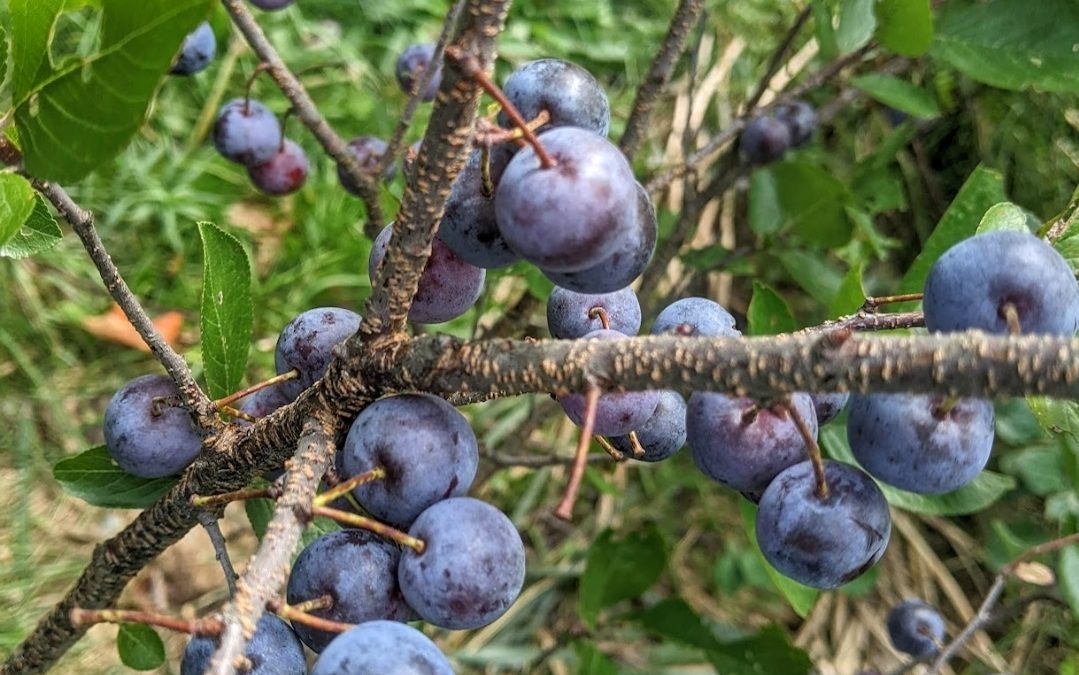
Known scientifically as Prunus maritima, the beach plum is a native shrub found along the Atlantic coast, particularly in sandy coastal environments from the Mid-Atlantic to New England. A relative of cherries, peaches and traditional plums, it produces small, round fruits that range in color from reddish-purple to nearly black.
In the spring, beach plum bushes burst into clusters of dainty white flowers, creating a beautiful contrast against the sandy dunes. By late summer and early fall, those blossoms give way to edible fruit, typically about the size of a large grape or small cherry.
The flavor is distinctly tart, sometimes with a hint of sweetness, making beach plums especially popular for homemade jams, jellies, preserves and even specialty beverages.
For generations, coastal residents have collected beach plums to make homemade treats, turning the humble fruit into something of a regional delicacy. According to Rutgers Cooperative Extension, beach plums have also gained attention as a specialty crop, with growers experimenting with everything from salad dressings to juices and wines.
Small fruit, big environmental benefits
While beach plum jam might be delicious, the plant’s greatest contribution isn’t found in the kitchen. It’s beneath the sand.
Beach plums are exceptionally well-suited to the harsh conditions of coastal environments. Where many plants would struggle against salty air, powerful winds, dry soil and relentless sunshine, beach plums can thrive.
Their extensive root systems reach deep into the sand, helping hold loose soil together and stabilize fragile dune systems.
Dunes serve as natural barriers between the ocean and the homes, businesses and neighborhoods that make up Ocean City. During coastal storms, healthy dunes help absorb wave energy and reduce the impacts of erosion and flooding.
Beach plums aren’t a substitute for beach replenishment or other coastal protection measures, but they can play an important supporting role in keeping dunes healthy and resilient.
The shrubs also provide food and habitat for wildlife. Their spring flowers attract pollinating insects, while their fruit offers a seasonal food source for birds and other animals.
Growing a greener future in Ocean City
The recent planting initiative brought together environmental advocates, students and community members with a shared goal: protecting the beaches.
The beach plum cuttings were supplied by Jalma Farms in Ocean View, a local agricultural operation recognized by Ocean City officials as the largest grower of beach plums in the United States.
Alma George of Jalma Farms is scheduled to provide volunteers with a brief introduction to the plant’s environmental benefits and instructions for properly planting the cuttings.
Participants are encouraged to bring shovels, buckets, work gloves and sturdy shoes, with volunteers digging holes approximately two feet deep to accommodate the young plants.
The effort was also part of a larger commitment to restoring native vegetation along the shoreline.
Ocean City has hosted similar beach plum planting initiatives in previous years, including projects organized with local students and environmental organizations. These efforts are particularly important as coastal development and habitat loss have reduced areas where beach plums once grew naturally.
Restoring the species helps preserve a piece of the region’s natural heritage while creating opportunities for young people to learn about environmental stewardship firsthand.
Protecting the shore
As South Jersey communities continue to confront coastal erosion, rising sea levels and increasingly challenging weather conditions, nature-based solutions are becoming an important part of conversations about shoreline protection.
A beach plum shrub might not look particularly impressive beside a towering dune or crashing ocean wave. But beneath the surface, its roots are quietly doing their part to hold the coastline together.
Visitors can help by staying on designated beach paths, respecting dune fencing and avoiding trampling sensitive vegetation. Even a small action, like keeping off the dunes, can make a difference in preserving these natural barriers for generations to come.
And the next time you’re strolling along the Ocean City shoreline, take a closer look at the vegetation growing beyond the beach grass. You might just spot a beach plum, one of the Jersey Shore’s sweetest little environmental superheroes.
Sarah Fertsch of Egg Harbor Township holds a Bachelors of Arts in Public Relations. She is a locally renowned poet, storyteller, and dog lover.