
Look up! Some of South Jersey’s most fascinating wildlife can be found soaring above our heads, perched along the roadside or silently hunting under the cover of darkness.
From the salt marshes of Cape May to the forests of the Pine Barrens, South Jersey is home to an impressive variety of birds of prey. These remarkable hunters, also known as raptors, play an important role in maintaining the balance of local ecosystems by controlling rodent populations, hunting smaller animals and even cleaning up carrion.
Armed with sharp talons, hooked beaks, extraordinary eyesight and specialized hunting techniques, each species has its own adaptations for survival. Some dive into the ocean for dinner, while others can hear a mouse scurrying through the grass in complete darkness.
New Jersey is home to approximately 26 species of raptors, according to the New Jersey Department of Environmental Protection. The state’s coastal marshes, woodlands and open farmland provide essential habitat for many of them.
Whether you’re a seasoned birdwatcher or simply curious about the large bird perched on a telephone pole, here are six extraordinary birds of prey to keep an eye out.
Red-tailed hawk: The roadside lookout
One of the most recognizable raptors in South Jersey, the red-tailed hawk is a familiar sight along highways, open fields and wooded neighborhoods.
Physical characteristics: This large, broad-winged hawk has a brown back, pale underside and often a darker band of feathers across its belly. Its most famous feature is its rusty-red tail, especially noticeable when sunlight catches it in flight.
Food: Red-tailed hawks primarily hunt small mammals, including mice, voles, rats, rabbits and squirrels. They occasionally catch snakes, other reptiles and birds.
Habitat: These adaptable predators thrive in farmland, grasslands, forests and suburban neighborhoods. Look for them perched on utility poles, fence posts or tree branches overlooking open ground. They can be spotted throughout the year.
Fun fact: That dramatic, piercing scream often heard when an eagle appears in a Hollywood movie? It’s frequently the recorded call of a red-tailed hawk! Filmmakers favor its powerful cry over the surprisingly high-pitched calls of bald eagles.
Osprey: The fisherman of the skies
Few birds capture the spirit of the Jersey Shore quite like the osprey. Nicknamed the “fish hawk,” this spectacular raptor is frequently seen circling above coastal waterways before plunging toward the surface.
Physical characteristics: Ospreys are large, slender raptors with long, narrow wings that often form an M-shape in flight. They have dark brown backs, white undersides and distinctive dark stripes running through their yellow eyes.
Food: Fish make up almost their entire diet. Ospreys hover above the water before diving feet-first, grabbing unsuspecting fish with their powerful talons.
Habitat: Ospreys are particularly common around South Jersey’s back bays, coastal marshes, rivers and inland lakes during the warmer months. Fun fact: Ospreys have a reversible outer toe and tiny spines on the bottoms of their feet that help them grip slippery fish. They can even rotate their catch to face forward while flying, making their meal more aerodynamic!
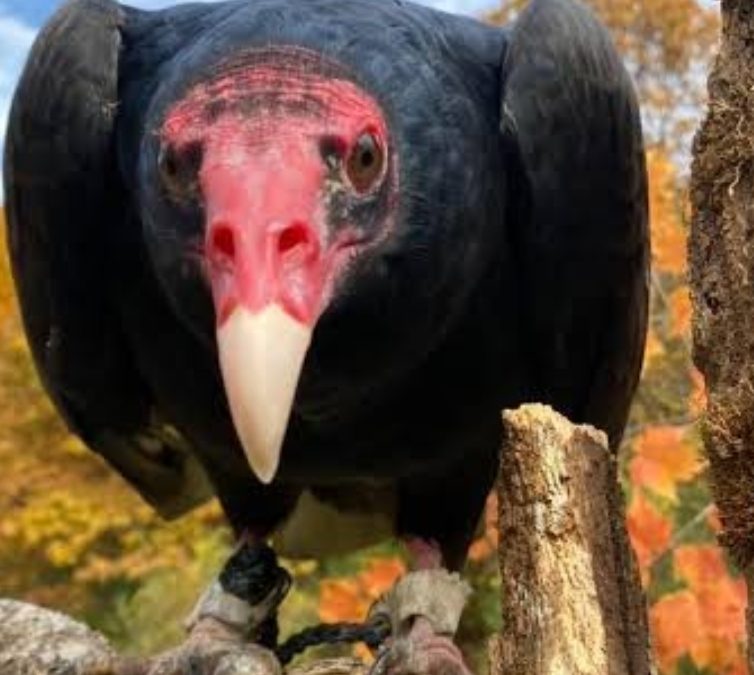
Turkey vulture: Nature’s cleanup crew
They might not win a beauty contest, but turkey vultures are among South Jersey’s most valuable birds.
Physical characteristics: Turkey vultures have dark brownish-black bodies, broad wings and small, featherless red heads. Their wingspans can approach six feet. While soaring, they hold their wings in a shallow V-shape and appear to rock gently from side to side.
Food: Unlike most birds of prey, turkey vultures rarely hunt living animals. Instead, they feed primarily on carrion, or dead animals, helping prevent the buildup of decaying remains in the environment.
Habitat: Turkey vultures are found around farmland, forests, highways and open countryside throughout South Jersey.
Fun fact: While most birds rely heavily on eyesight, turkey vultures have an extraordinary sense of smell. They can detect the scent of decomposing animals from high in the air, even when the carcass is hidden beneath forest cover.
Cooper’s hawk: The backyard acrobat
If you’ve ever witnessed a hawk suddenly swoop through your backyard bird feeder, there’s a good chance you’ve encountered a Cooper’s hawk.
These agile predators specialize in high-speed chases through trees and shrubs, making them among the most athletic hunters in South Jersey’s suburbs.
Physical characteristics: Cooper’s hawks are medium-sized birds with slate-gray backs, reddish-orange barring across their chests, long striped tails and striking red eyes in adulthood. Their relatively short, rounded wings allow them to maneuver through tight spaces.
Food: Unlike red-tailed hawks, which concentrate on rodents, Cooper’s hawks primarily hunt other birds. Common prey includes mourning doves, starlings, robins and smaller songbirds. They also occasionally eat squirrels and other small mammals.
Habitat: Originally associated with forests, Cooper’s hawks have adapted remarkably well to suburban life. They can be found in wooded parks, residential neighborhoods, forest edges and areas with abundant backyard bird feeders.
Fun fact: Cooper’s hawks are so skilled at navigating dense vegetation that they can pursue prey through narrow openings between branches at impressive speeds.
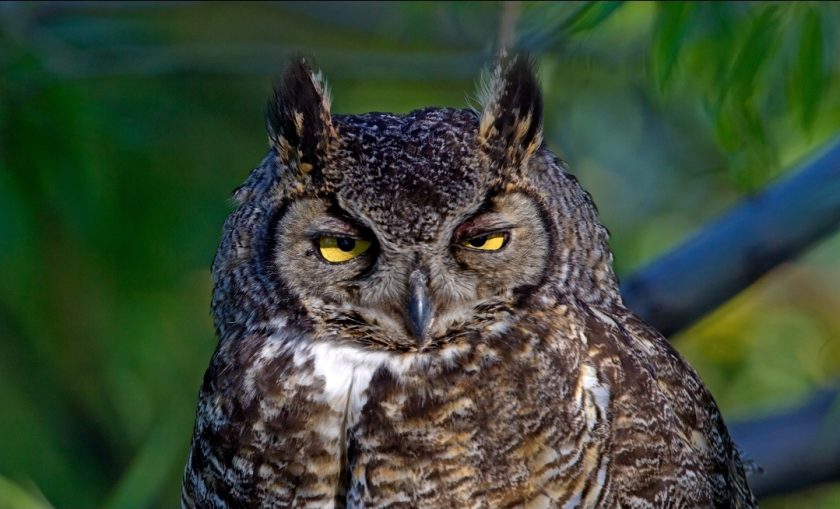
Great horned owl: The nighttime powerhouse
With yellow eyes, feathered tufts and unmistakable hoot, the great horned owl looks straight out of a storybook.
Physical characteristics: Great horned owls are large, stocky birds with mottled brown, gray and cream-colored feathers that provide excellent camouflage. Their most recognizable features are their prominent ear tufts, which resemble horns but are actually feathers. They also have enormous yellow eyes and powerful talons.
Food: These versatile hunters feed on rabbits, mice, rats, squirrels, snakes and other birds. They are even capable of taking down skunks, thanks in part to their limited sense of smell.
Habitat: Great horned owls inhabit forests, wooded neighborhoods, farmland and parklands throughout South Jersey.
Fun fact: Despite popular belief, the feathered “horns” on their heads have nothing to do with hearing. Their actual ears are hidden beneath their feathers.
Peregrine falcon: The world’s fastest animal
South Jersey’s peregrine falcons are capable of reaching speeds that would leave even the fastest vehicles in the dust. Known for their breathtaking aerial dives, these remarkable birds are considered the fastest animals on Earth.
Physical characteristics: Peregrine falcons are sleek, powerful birds with blue-gray backs, pale undersides marked by dark barring and distinctive dark facial markings resembling a helmet or mustache. Their long, pointed wings help them achieve incredible speeds.
Food: Peregrine falcons primarily hunt other birds, including pigeons, shorebirds, ducks and smaller songbirds.
Habitat: Historically associated with rocky cliffs and coastal areas, peregrine falcons have adapted to nesting on bridges, tall buildings and other elevated structures. In South Jersey, they can be found around coastal marshes and major bridges.
Fun fact: During a hunting dive, known as a stoop, a peregrine falcon can exceed 200 miles per hour! The falcon folds its wings close to its body and plummets toward its prey with extraordinary precision.
Where to watch for birds of prey in South Jersey
One of the best things about birdwatching is that you don’t need expensive equipment or a trip into the wilderness to get started.
A simple walk around your neighborhood, a drive through the countryside or a visit to a local nature preserve can offer exciting opportunities to encounter these impressive birds.
Cape May is internationally recognized for its fall bird migration, when hawks, falcons and other birds of prey gather along the peninsula before continuing south.
The Cape May Point State Park hawk-watch platform is a particularly popular destination for observing migration. Elsewhere, the Forsythe National Wildlife Refuge, the Delaware Bayshore and the forests of the Pine Barrens offer opportunities to observe raptors in a variety of habitats.
For beginners, patience is key. Scan telephone poles for perched hawks, watch for silhouettes circling above open fields and listen for owl calls after sunset.
Whether it’s an osprey carrying a freshly caught fish, a turkey vulture drifting effortlessly on warm air currents or a great horned owl calling from the treetops, South Jersey’s birds of prey offer a reminder that remarkable wildlife is often hiding in plain sight.