
A powerful nor’easter certainly made itself known this weekend. By the time it finally moved out, streets were underwater, yards were flooded, property was damaged, our beaches were wiped out, and a lot of us were left with quite a mess to clean up.
If you spent the weekend watching water creep closer to your home or trying to figure out which roads were still passable, you already know it was a rough one. It never ceases to amaze me how quickly some of our South Jersey streets can turn into rivers.
At one point, I even saw a social media video that appeared to show a shark swimming down a flooded street in Atlantic City. I have no idea whether the video was authentic, although it certainly looked convincing. After my daughter saw it, she joked, “You’re gonna need a bigger porch,” borrowing the famous line from Jaws.
Sharks and other sea creatures aside, serious flooding is more than an inconvenience. It can create some very real health and safety risks, and once the water goes down, the work is often just beginning.
Floodwater itself is one of the first concerns. It can contain bacteria, sewage, road runoff, chemicals, and whatever else it picked up along the way. Even when the water looks harmless, it may not be. If you have to walk through floodwater, wash your hands, feet, and any exposed skin with soap and clean water as soon as possible. Pay particular attention to cuts or scrapes and watch for redness, swelling, or other signs of infection.
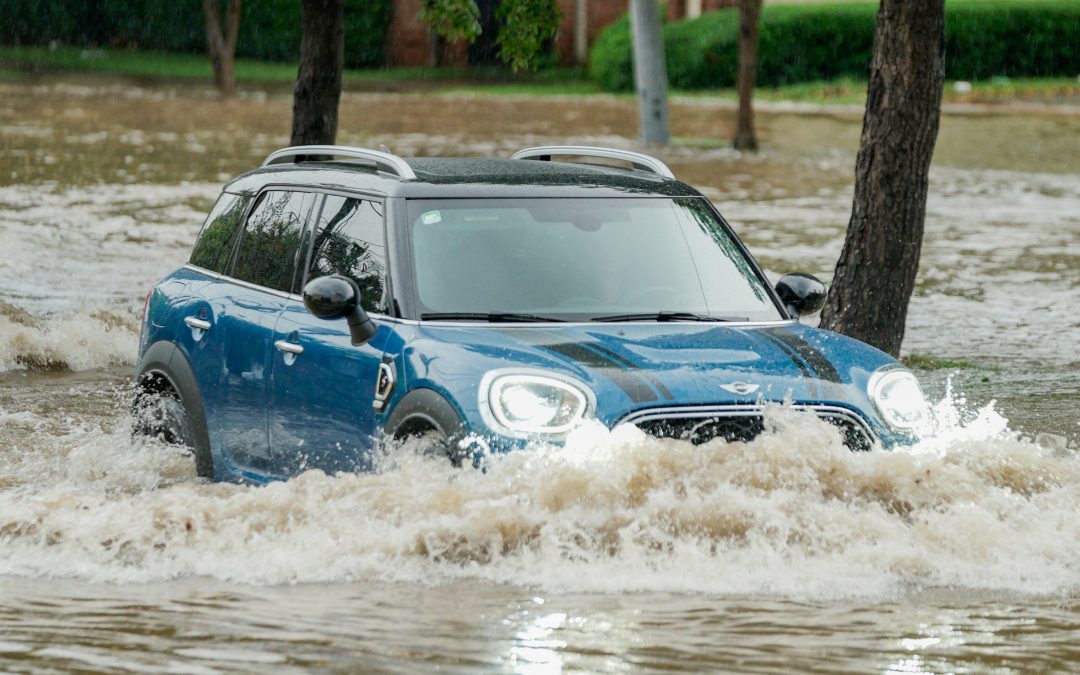
Then there is driving through floodwater, something we remind ourselves about after every major storm. It can be almost impossible to tell how deep the water really is or whether the roadway underneath has been damaged.
Moving water can also push or lift a vehicle. If you come to a flooded road, turning around and finding another route, or simply staying home, is much safer than taking the chance. We have all seen cars stranded in water that probably did not look very deep when the driver first entered it.
After the water recedes, another problem can begin: mold. Wet carpeting, drywall, baseboards, furniture, and basement walls can begin developing mold surprisingly quickly, sometimes within a day or two. That can be especially troublesome for people with asthma, allergies, or other respiratory issues.
Start drying things out as soon as it is safe to do so. Open windows when the weather permits, use fans and dehumidifiers, and remove items that are soaked and cannot be completely dried. It is tempting to tell yourself you will deal with it later, but unfortunately, mold does not wait for a convenient schedule.
Power outages create another round of questions, especially about food safety and generators. As a general rule, if refrigerated food has been above 40 degrees for more than two hours, it may no longer be safe to eat. When you are uncertain, throwing it away is better than risking foodborne illness.
Generators also need to be used very carefully. Always keep a generator outdoors and well away from windows, doors, garages, and vents. Generators produce carbon monoxide, a gas you cannot see or smell, and allowing those fumes to enter your home can be deadly. It is one of those warnings that sounds obvious until you are cold, tired, sitting in the dark, and just want to get the power back on.
Cleanup can bring its own hazards too. Wet leaves, mud, fallen branches, loose debris, and slippery surfaces are a recipe for a fall. Wear sturdy shoes, take your time, and treat every downed electrical line as if it is live.
While you are checking your own property, check on your neighbors too. If you know someone who lives alone, particularly an older adult or someone who may have difficulty getting around, a quick phone call or knock on the door can make a big difference.
One of the lessons from this storm is also how quickly conditions can change. Forecasters had been watching the system and warning about the potential for coastal flooding, but a storm’s exact track, timing, and strength can continue changing as it approaches. That is why staying connected to updated forecasts and emergency alerts matters.
Do not wait for an emergency to figure out where to get information. Atlantic County residents can register for emergency alerts through the Atlantic County Office of Emergency Management at atlanticcountynj.gov. Cape May County residents can sign up for county emergency notifications through the Cape May County Alert Center at capemaycountynj.gov. They should also check their municipality’s emergency alert system, since individual towns may offer additional local notifications.
NJ Alert, the statewide emergency notification system, is available at njalert.gov. Nixle also provides alerts from participating local police and public safety agencies when you text your ZIP code to 888777. The FEMA app offers real-time weather alerts and information about nearby emergency shelters, and weather.gov is another reliable source for current National Weather Service watches and warnings.
While this storm is still fresh in our minds, we should take the time to prepare for the next one. Check the batteries in your flashlights. Make sure you have a portable phone charger that is fully charged. Sign up for emergency alerts. Think about where to safely operate a generator if the power goes out.
It is also a good idea to have a go bag ready. A go bag is simply a small emergency bag with the essentials we need if we have to leave home quickly. Include medications, identification, copies of important documents, phone chargers, a flashlight, basic toiletries, bottled water, snacks, and some cash. It is one of those things we should all have ready, and hopefully never need.
Storms like this weekend’s are a good reminder that preparation is much easier when the sky is clear. We cannot control the weather, but we can control how prepared we are when dangerous conditions arrive. A few simple steps taken now can make a stressful situation a little safer and a lot easier to manage the next time Mother Nature decides to remind us who’s in charge.
Robin Stoloff is an award-winning health reporter in South Jersey. A former TV reporter, she now hosts Living Well with Robin Stoloff, Sunday mornings at 10 a.m. on Lite 96.9 WFPG.