
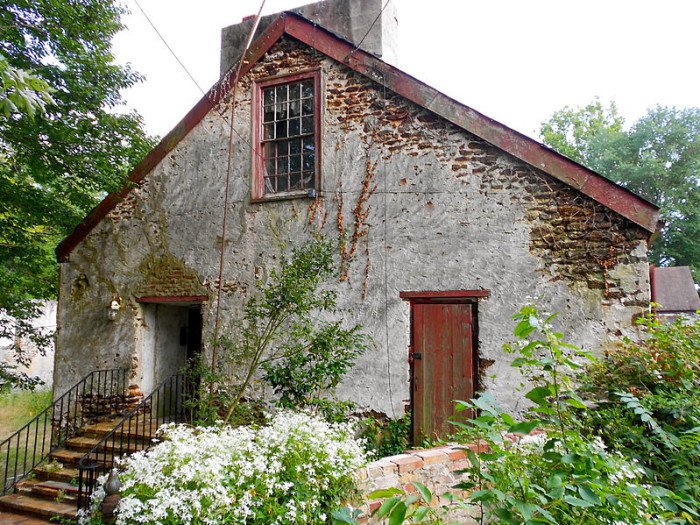
The Pine Barrens of New Jersey contain more ghost towns, some say, then the entire America west. The Pinelands of today with its pristine woodlands and unique plant and animal communities, is a very different place than the busy industrial center it once was hundreds of years ago. These villages rose up around the iron furnaces, glass factories, paper mills, cranberry farms and brick-making factories that once turned the raw materials of the region into products needed by the new nation. When the demand for these goods diminished, these industrial towns faded away, reclaimed by the pines.
Amatol, Mullica Township
Amatol was a planned community built during the first World War. It was centered around a munitions factory. The town was meticulously thought out and designed to be both attractive and stimulating, combining the best of country and city life. When the war ended, much of the town was dismantled. Still, some streets, cellars and foundations remain.
Batsto Village, Hammonton
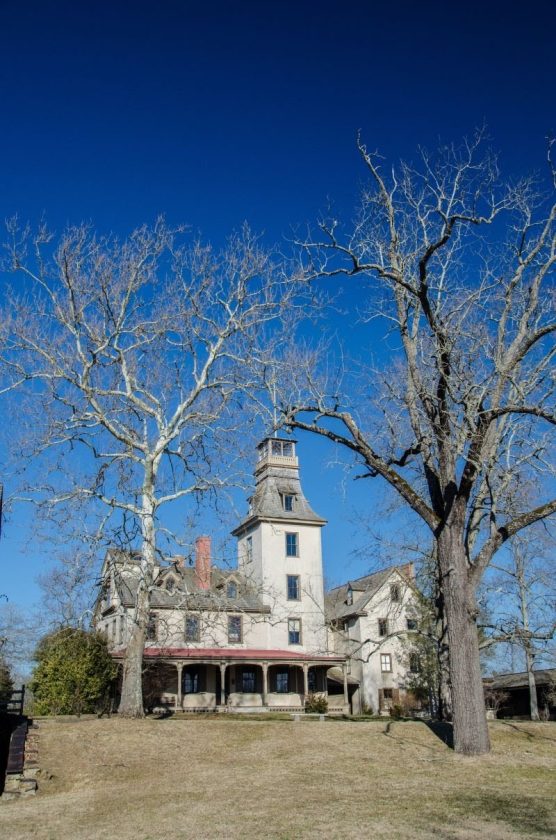
With a name derived from the Swedish word “bastu” (meaning sauna), this town got its start by producing household pots and kettles. It quickly became a bustling ironworks that supplied the Continental Army during the Revolutionary War. It was essentially a “company town” owned and run for 92 years by William Richards. The discovery of coal in Pennsylvania led to a steady decline of the industry. Industrialist Joseph Wharton came to lead the town in 1876, experimenting with agriculture and glass manufacturing before starting his business school in Philadelphia. The last residents left in 1989. Batsto is now a NJ historical site with many of the original structures remaining, including the Batsto mansion, a sawmill, a blacksmith, ice and milk houses, a carriage house and stable, and a general store. The post office is still open. The buildings have been fully restored and are maintained as a historical site, with a museum and visitors’ center.
Pleasant Mills, Mullica Township
From 1822 – 1916, Pleasant Mills was a prosperous paper manufacturing village. The business eventually waned and the mill was turned into an art gallery. This was short-lived and the mill currently acts as a playhouse theater. Visit not only for the shows but the surrounding abandoned buildings including a mansion and a church.
Ong’s Hat. Pemberton Township
This notorious ghost town in the Pine Barrens has only a few structures remaining, it’s ruins hidden deep in the woods. There are several stories about how this town got its name. Some say a man named Jacob Ong threw his hat into the air out of frustration, at which point it became stuck in a tree. More likely, the town was originally named Ong’s Hut after a way station/rest area along a grain transportation route. Legend says that the town had just a handful of houses, along with a thriving dance hall. However, industry left the area and Ong’s Hut/Ong’s Hat slowly became abandoned.