A few practical improvements could make Dog Beach safer, cleaner and more enjoyable without compromising its role as a wildlife sanctuary.
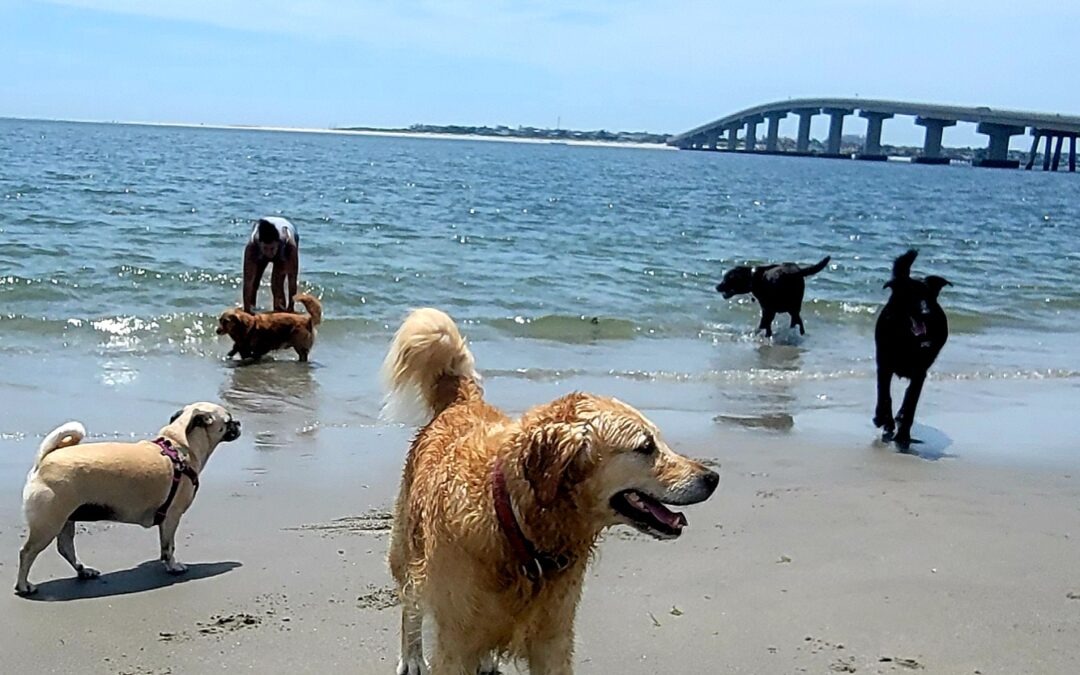
Malibu Beach—better known throughout South Jersey as Dog Beach—is one of Egg Harbor Township’s most beloved public spaces, even if many visitors are not entirely sure which municipality can claim it.
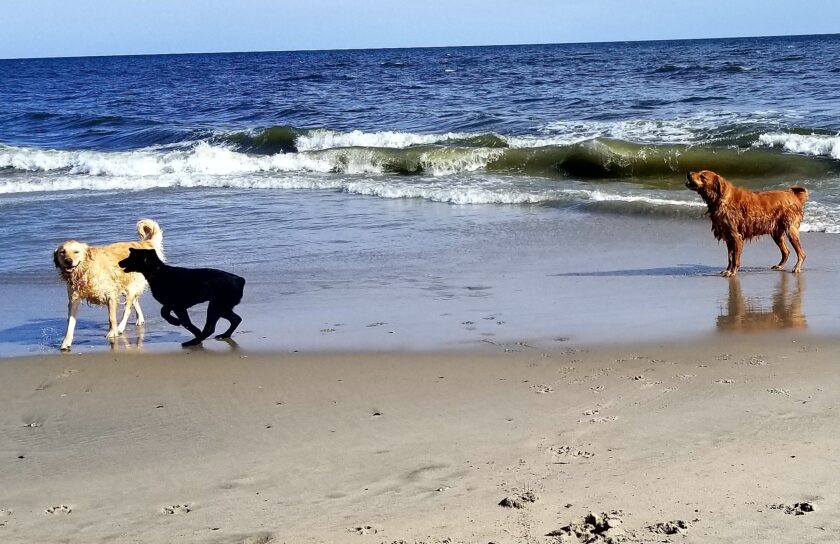
Located near the Ocean City-Longport Bridge, the beach attracts dog owners from across Atlantic and Cape May counties. It is one of the few places along the Jersey Shore where dogs can run through the sand and swim during the summer, making it an increasingly popular destination for residents and visitors alike.
In fact, visitors from the Philadelphia region and beyond cited Dog Beach as a main draw for bringing their furry friend along on their trip down the shore. Residents from Camden, Burlington, and Gloucester Counties regularly take day trips to let their dog run wild in the sand and surf.
The beach’s growing popularity, however, has not been matched by growing infrastructure.
Dog Beach remains a beautiful, wonderfully informal place. No one is asking Egg Harbor Township or the state to install a canine boardwalk, concession stand or gift shop selling “My Dog Loves Malibu Beach” sweatshirts.
But basic amenities—including additional parking, waste stations and a rinsing area—would make the beach safer, cleaner and easier to enjoy.
The New Jersey Department of Environmental Protection owns and manages the property as part of the Malibu Beach Wildlife Management Area, so Egg Harbor Township cannot make major changes unilaterally.
Still, the township can advocate for improvements and help bring together the state, county and neighboring communities that all benefit from the beach’s popularity.
The most obvious need is additional parking.
On warm weekends, the existing lots fill quickly, leaving drivers circling the area and waiting hopefully for a wet dog and its owner to approach a parked car. The limited number of spaces may have been adequate when Dog Beach was a quieter local spot, but the beach now functions as a regional destination.
The parking shortage has escalated to the point of police involvement. Beachgoers are threatened with tickets and a tow truck if they try for on-street parking.
Other possibilities could include seasonal overflow parking, clearly marked spaces or a partnership providing remote parking during the busiest summer weekends.
More parking would not simply be a convenience. It could reduce unsafe stopping, congestion and illegal parking along Ocean Drive. Visitors should not have to choose between abandoning their beach plans and squeezing a vehicle somewhere it clearly does not belong.
Dog Beach also needs a more organized approach to fishing.
Fishing is an established and legitimate use of wildlife management areas. Anglers deserve continued access to the shoreline and surrounding waters.
At the same time, fishing hooks, lines, bait and sinkers can create serious hazards in an area filled with off-leash dogs. Even a well-trained dog may investigate a piece of bait, charge toward a fish being reeled in or run across a nearly invisible line.
A swallowed hook or injured paw can quickly turn a pleasant afternoon into an emergency veterinary visit.
Rather than forcing anglers and dog owners to compete for the same stretch of sand throughout the day, the state should consider designated fishing periods during the busiest months.
Early morning and evening hours, for example, could be reserved for fishing from the beach, while crowded daytime hours could prioritize pet recreation.
This would not remove fishermen from the beach or suggest that one group has a greater right to be there. It would simply recognize that casting hooks and allowing dozens of excited dogs to race through the water are not always compatible activities.
The next improvement may be the least glamorous, but perhaps the most necessary: more trash cans and complimentary pet-waste bags.
Dog owners are responsible for cleaning up after their pets. That expectation should remain clear and firmly enforced. But responsible behavior becomes much easier when visitors have access to bags and convenient places to dispose of them.
Wildlife-resistant trash receptacles could be placed near the main entrances and along the more popular stretch of sand, where they would be less likely to interfere with the natural landscape.
Pet-waste dispensers could be installed beside them and regularly restocked during the summer.
The carry-in, carry-out to the dumpster policy may be logistically simple, but in practice, it can result in abandoned bottles, food containers and tied bags of dog waste. This has a negative effect on the wildlife Malibu Beach is reserved to protect.
Providing well-maintained disposal stations would protect the beach, surrounding marshes and wildlife while making it easier for visitors to do the right thing.
A basic foot-and-pet shower would also be a welcome addition.
After an afternoon at Dog Beach, visitors generally leave with sand in their shoes, sand in their cars, sand in the dog’s coat and somehow sand inside belongings that never left the vehicle.
A simple low-flow rinsing station near the parking area could allow people to wash saltwater, sand and mud from paws and feet before heading home.
The station could use a timed button, low-mounted pet nozzle and properly designed drainage system to conserve water and prevent runoff into environmentally sensitive areas. It would be a modest addition, but one that thousands of visitors would appreciate.
Egg Harbor Township does not have to look far for an example of how small investments can transform an outdoor space.
The Egg Harbor Township Nature Reserve on Zion Road was once a gravel pit. Today, it is a thriving natural area featuring a lake, woodland, wetlands and trails used for hiking, biking, fishing and bird-watching.
What helped turn the former industrial site into a hidden gem was not excessive development. It was thoughtful, practical investment.
The Nature Reserve now has two parking lots, benches, a gazebo, trash cans and pet-waste stations. They even have outdoor fitness stations throughout the trails!
Those additions do not detract from the natural setting. They make the property more accessible, encourage visitors to care for it and signal that the community considers the space worth maintaining.
Dog Beach deserves the same philosophy.
Of course, any improvements must recognize that Malibu Beach is more than a recreational area for pets. It is also valuable coastal habitat within a state wildlife management area.
Birds and other wildlife rely on portions of the beach, marsh and tidal areas for nesting, feeding and resting. Protected sections should remain clearly marked, and visitors must keep their dogs outside designated sanctuary areas.
Additional infrastructure should therefore remain concentrated near the entrance and parking areas. Seasonal nesting closures should be clearly marked and enforced. At this time, a flimsy fence poorly keeps dogs and owners out, especially during the off-season.
Educational signs could explain why dogs must remain outside protected sections, reminding visitors that the roped-off areas are not simply unused sand but important habitat for vulnerable species.
Protecting wildlife and improving the visitor experience are not opposing goals. Better trash collection would keep waste out of bird habitat. Organized parking would prevent vehicles from spilling into sensitive areas. Clearly defined fishing and pet-recreation periods could reduce conflicts among anglers, dogs and wildlife. Better signs could help visitors understand which areas are open and which need to remain undisturbed.
The obvious question is how to pay for these improvements.
Egg Harbor Township should not assume that every dollar would have to come directly from the municipal budget. Because the proposed projects involve public recreation, environmental protection, coastal access, stormwater management and wildlife conservation, the township and state could pursue a variety of state and federal grants.
Funding opportunities may be available through programs supporting parks, open space, coastal resilience, public access, tourism infrastructure or environmental stewardship.
A coordinated application involving Egg Harbor Township, the New Jersey Department of Environmental Protection and regional partners could make a stronger case that Dog Beach serves far more than one municipality. Private support could also play a role.
South Jersey has no shortage of dog lovers, veterinary practices, pet businesses, rescue organizations and residents who would likely contribute to improvements at a beach they use regularly. The township could establish a dedicated Dog Beach improvement fund, seek corporate sponsors or invite donors to support specific amenities.
A local business might sponsor a waste-bag station. A veterinary practice could help fund a pet rinse. Larger donors could contribute toward benches, signs or parking improvements. Even a community fundraising campaign could demonstrate public support while helping cover smaller expenses.
Recognition could remain tasteful and limited, such as a small plaque or sign acknowledging contributors without turning the natural area into an advertising corridor. The goal would not be commercialization, but community investment.
The Egg Harbor Township Nature Reserve shows that thoughtful improvements can invite people into a natural space while encouraging them to respect it. Dog Beach could benefit from the same balance—and the same willingness to pursue creative funding rather than dismissing improvements as too expensive.
Malibu Beach does not need to become polished or commercialized. Its relaxed, natural atmosphere is precisely why people love it. But there is a difference between preserving a place’s rustic charm and expecting a heavily used regional attraction to function without basic amenities.
Additional parking, designated fishing times, waste stations and a pet rinse would be relatively modest changes. With grants, partnerships and support from dog-loving donors, they would also be achievable.
Together, these improvements could make Dog Beach safer for animals, more pleasant for visitors and easier to protect for years to come.
Sarah Fertsch of Egg Harbor Township holds a Bachelors of Arts in Public Relations. She is a locally renowned poet, storyteller, and dog lover.