
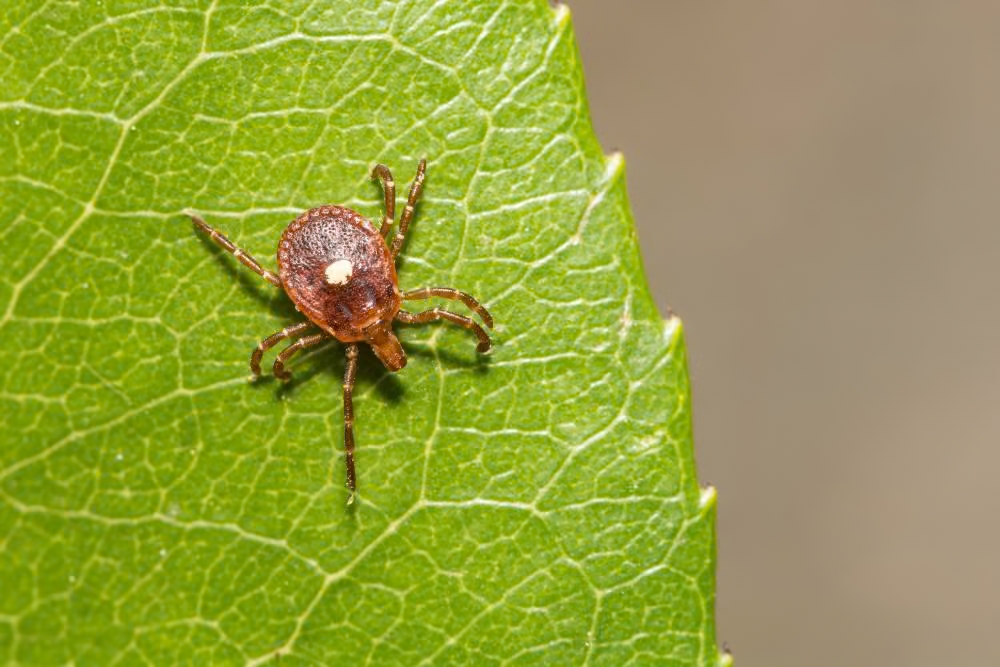
It sounds like something out of a science fiction movie: a tiny insect causing an allergy to red meat. If you love a tasty sirloin or a juicy burger fresh off the grill, you probably can’t imagine never eating them again. Yet that’s exactly what’s happening to a growing number of people, and it’s not caused by something in the food. It’s caused by a tick bite.
It’s called alpha-gal syndrome, and it develops in some people after the bite of a Lone Star tick. The CDC estimates that as many as 450,000 Americans may be living with alpha-gal syndrome. However, the actual number isn’t known because the condition isn’t tracked nationwide and many cases likely go undiagnosed. The good news is that not everyone bitten by a Lone Star tick develops the allergy. Researchers are still learning why certain people develop symptoms while others never do.
Here in New Jersey, we can breathe a little easier. The state reported 374 cases in 2024, a relatively low number, although health officials say growing awareness is helping more people recognize the condition and take steps to prevent tick bites before they become a problem.
Alpha-gal syndrome can be difficult to recognize because, unlike most food allergies, reactions don’t happen right away. They often occur three to six hours after eating, making it difficult to connect dinner with symptoms that appear later that night.
After a Lone Star tick bite, some people become allergic to a sugar molecule found in beef, pork, lamb and other mammal-derived products. Red meat is the most common trigger, but dairy products can also cause reactions in some people. About half of people with alpha-gal syndrome can still enjoy dairy without problems, while others may react to foods like milk, cheese or ice cream. Symptoms may include hives, stomach pain, nausea, vomiting or, in rare cases, a life-threatening allergic reaction called anaphylaxis.
Researchers recently documented what is believed to be the first reported death linked to alpha-gal syndrome after a New Jersey man experienced a severe delayed allergic reaction. While tragedies like this are extremely rare, they remind us that unusual allergic reactions after eating red meat or dairy shouldn’t be ignored. If you experience unexplained allergic symptoms after eating red meat or dairy, especially after a tick bite or being outdoors, talk with your healthcare provider. A simple blood test can often confirm the diagnosis.

Whether it’s alpha-gal syndrome or Lyme disease, the best way to prevent tick-borne illness is to take some simple precautions. Fortunately, they don’t have to be complicated. Wear long sleeves and pants when walking through wooded or grassy areas, use an EPA-registered tick repellent and yes, tuck your pants into your socks to reduce your risk. It may not win any fashion awards, but it works. You can also lower your risk even more if you stay in the center of trails whenever possible, avoid tall grass and shrubs, wear light-colored clothing so ticks are easier to spot, shower within two hours of coming indoors and perform a thorough tick check after spending time outside.
Planning a long hike or working all day in the yard? Consider treating your clothing and outdoor gear, never your skin, with permethrin. Used as directed, it’s recommended by the CDC because it kills ticks on contact and keeps working through several washings. Just let treated clothing dry completely before wearing it and remember that wet permethrin is toxic to cats until it fully dries.
For a more natural approach, products containing oil of lemon eucalyptus (OLE) have been shown to provide good protection against ticks. Other essential oils, including cedarwood, geranium, peppermint and citronella, may offer some repellent properties, but they haven’t been proven to work as consistently. If you are often in areas where ticks are common, don’t rely on essential oils alone.
When checking for ticks, pay close attention to the scalp, behind the ears, under the arms, around the waistline and behind the knees. If you find a tick attached, use fine-tipped tweezers to grasp it as close to the skin as possible and pull straight upward with steady pressure. Then wash the area with soap and water and watch for a rash, fever, flu-like symptoms or unusual reactions over the next several weeks.
Don’t forget about your pets. Dogs and outdoor cats can bring ticks into the house even when we’ve been careful ourselves. Regular tick checks and veterinarian-recommended preventatives help protect both our furry companions and our families.
None of this should keep us indoors. Our beautiful beaches, trails, parks and backyards are meant to be enjoyed. So go ahead and take that hike, work in the garden or fire up the grill. With a little awareness and a few simple precautions, we can safely enjoy everything a New Jersey summer has to offer.
Robin is a former television reporter for NBC News 40. She currently hosts a podcast and radio program called Living Well with Robin Stoloff. It airs Sundays at 10 AM on Lite 96.9. You can email Robin at livingwellwithrobin@gmail.com