
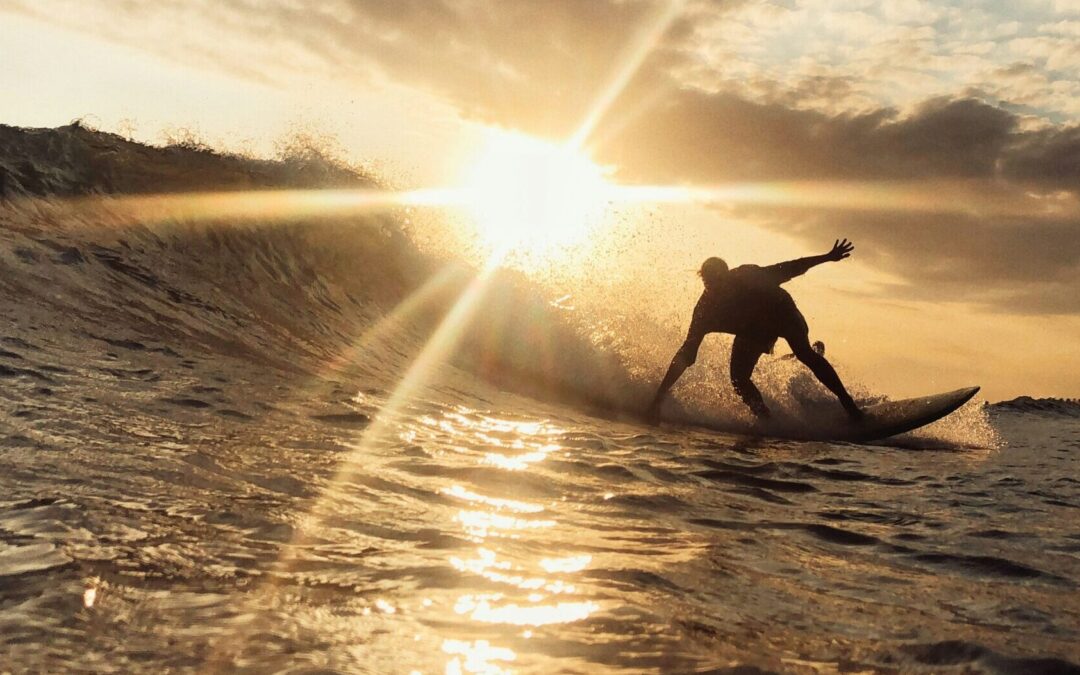
There’s something magical about watching a surfer glide across a wave at sunrise. It looks effortless—almost like dancing on water. And while surfing takes patience and practice, anyone can learn to surf at any age.
Whether you’re looking for a new hobby, a family activity, or simply want to cross “learn to surf” off your bucket list, there’s never been a better time to paddle out.
Why try surfing?
Surfing is more than a sport. It’s a full-body workout that improves balance, strength and endurance while offering plenty of mental health benefits. Studies have shown that spending time in the ocean can reduce stress and improve mood, and many surfers describe the experience as meditative.
Plus, unlike many sports, surfing can be enjoyed at almost any age. South Jersey surf schools regularly teach students ranging from young children to retirees.
What you’ll need
You don’t need thousands of dollars in gear to get started. Most surf schools provide equipment for beginners, but eventually you may want your own setup.
Beginner essentials include:
- A soft-top longboard, typically 8 to 10 feet long, with a leash
- Wetsuit or rash guard shirt
- Sunscreen
- Water bottle and towel
Soft-top boards are recommended because they’re more stable and forgiving than hard boards, making them ideal for first-timers. Many local surf shops rent equipment by the hour, day or week.
Keep safety first
The ocean is beautiful, but it deserves respect. Before you even think about standing on a board, learn a few basic safety rules. Most importantly, new surfers must be functional swimmers. You don’t need to be an Olympic swimmer, but you should feel comfortable in the water and be able to tread water and swim back to shore if necessary.
Secondly, take some time to learn about rip currents. If you get caught in a rip current, don’t panic or swim directly toward shore. Instead, swim parallel to the beach until you’re free of the current. Bring a friend or take lessons with an instructor, especially when you’re just starting out.
The surf conditions matter. Never try to surf in stormy weather, and check online for currents, winds, wave size, and wave types. Beginners should look for small waves, ideally between one and three feet. Avoid surfing during storms, strong winds or hurricane swells.
Respect surf etiquette, and be considerate of everyone else in the water. Don’t drop in on someone else’s wave, keep your board under control and always be aware of other surfers around you.

How to catch your first wave
Step 1: Practice on the Sand
Before entering the water, practice your “pop-up”—the movement from lying on the board to standing.
Lie on your stomach, place your hands under your shoulders and quickly push yourself to your feet in one fluid motion. It’s similar to a push-up, or if you are familiar with yoga, a flow from upward-facing dog to mountain pose.
Balance is key, so make sure to evenly press weight across all four corners of your board. As a beginner, don’t feel too much pressure to stand on your first try. Initially, just focus on the process of catching waves.
Step 2: Start in Whitewater
When you enter the water, make sure that your leash is secure around your ankle. Carry your board into shallow water, which should look foamy and rippled. Beginners should practice in broken waves, known as whitewater, instead of trying to catch waves before they break.
Step 3: Learn to Paddle
Lie centered on the board and paddle with alternating arm strokes. Keep your chest slightly raised and your eyes forward. Keep your hands cupped and fingers tight, so you can get the most momentum for effort exerted.
You might feel frightened as the wave crash close to you. Just keep your board secure, and paddle over the waves as much as you can before they peak and crash. It’s essential to keep your board point out towards the horizon.
Step 4: Catch a wave
The perfect wave will eventually arrive, so you want to get prepared when you see it. Turn your board toward the shore, lay centered on the board, and paddle – pushing yourself into the wave. This is similar to boogie boarding.
Once you feel the kinetic energy of the wave beneath you, riding the water toward the shore, try to pop up. It may take a few tries, and you will definitely fall, but that is a part of the fun!
Every surfer has spent plenty of time tumbling in the ocean before successfully riding a wave. The key is getting back on the board and trying again.
Where to learn in South Jersey
The good news? You don’t have to figure it out on your own.
7th Street Surf Shop
For decades, thousands of people have learned to surf through 7th Street’s programs. The shop offers private lessons, group instruction and summer surf camps with a strong focus on safety and fun. Lessons take place at Ocean City’s designated surfing beach, and many first-time students are standing up by the end of their first session.
Stacey’s Surf
Located in Margate, Stacey’s Surf & Paddle offers lessons and camps for children, adults and even women-only surf nights. The school is known for its supportive atmosphere and emphasis on ocean knowledge, safety awareness and confidence-building.
Heritage surf and sport
Since 1962, Heritage has helped shape South Jersey’s surf culture. In addition to rentals and gear, the company offers surf lessons, camps and community programs through its Heritage Surf Club, welcoming surfers of all ages and skill levels.
Surfers supplies
A South Jersey institution since 1962, this Ocean City shop offers rentals, expert advice and a welcoming environment for newcomers looking to purchase or rent their first board. The knowledgeable staff can help beginners find the right equipment and answer questions about local conditions.
Heart of surfing
This South Jersey nonprofit provides free surfing experiences and recreational opportunities for individuals with autism and other developmental disabilities. Through volunteer instructors and adaptive programming, Heart of Surfing has introduced countless families to the joy of catching waves in an inclusive, supportive environment.
The best time to start
Summer is ideal for beginners because the water is warmer and the waves are generally smaller and gentler. Early mornings often provide the calmest conditions and fewer crowds.
And remember: you don’t need to become the next professional surfer to enjoy the sport. Sometimes, the greatest thrill is simply standing up on a wave for the first time and hearing your friends cheer from the beach.
After all, every surfer—from the pros to the weekend warriors—started exactly the same way: by paddling into the ocean and taking that first leap of faith.