As the Atlantic City area gears up for another impressive season of live jazz, courtesy of The Chicken Bone Beach Historical Foundation, the South Jersey Jazz Society, and whatever nightspots decide to take a chance on booking improvisational music, this seems an appropriate time to revisit one of the legendary shore jazz clubs, and profile one of those responsible for a good deal of its years of success.
Club Harlem, at 32 Kentucky Avenue in Atlantic City and in operation from 1935 to 1986, featured just about every big name in the world of jazz, including Count Basie, Duke Ellington, Louis Armstrong, Dinah Washington, Nat “King” Cole, Lena Horne, Pearl Bailey, and dozens of others. As big of an attraction as all of them were, there was another reason that both blacks and whites — including loads of visiting celebrities — flocked to the club from, roughly, 1946 to 1971. The reason was an extraordinary floor show called “Smart Affairs,” produced by showman/composer/impresario Larry Steele.
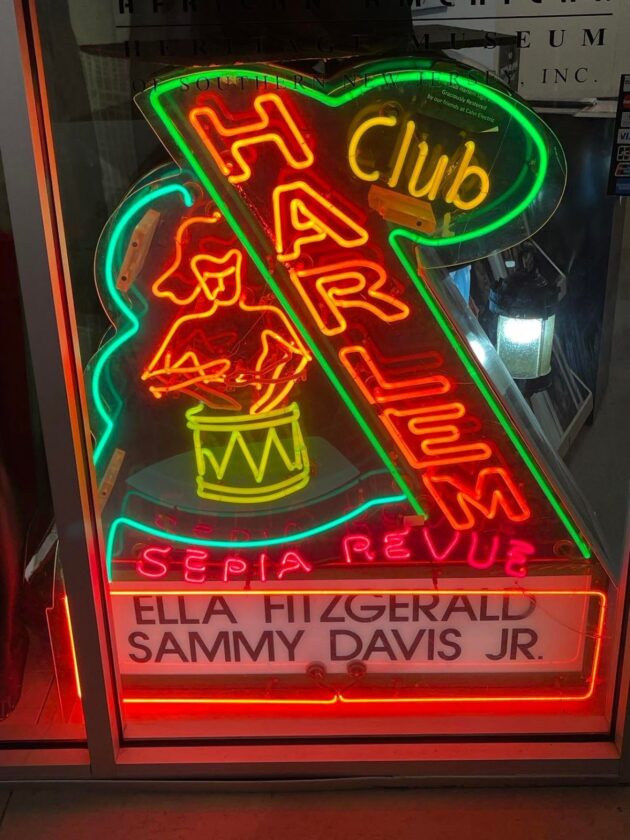
Steele’s productions rivaled anything Las Vegas had to offer at the time. A February 1960 article in Ebony Magazine offered a vivid description. “The elaborate show featured 40 to 50 acts including comedians, singers, showgirls, chorus lines, and dancers,” according to the piece in Ebony. “The budget for the ‘Smart Affairs’ shows ran as high as $35,000 per week, and the shows were comparable, budget-wise, with Broadway productions. Smart Affairs productions grossed between $400,000 and $500,000 annually by the early 1960s.”
Writers Jim Waltzer and Tom Wilk, in their 2001 book, “Tales of South Jersey,” offered a further description of these incredible floor shows. “Steele’s shows often featured comedians dressed like clowns, plantation hands, and frumpy old ladies telling dirty jokes to start things off,” Waltzer and Wilk wrote. “A full chorus line called The Sepia Revue featured 12 showgirls dressed in black high heels, skimpy, sequined dresses, long boas and feathered headgear. They danced with more and more abandon as the red hot house band backed them up. Another chorus line called Beige Beauties also performed artistic dance numbers.”
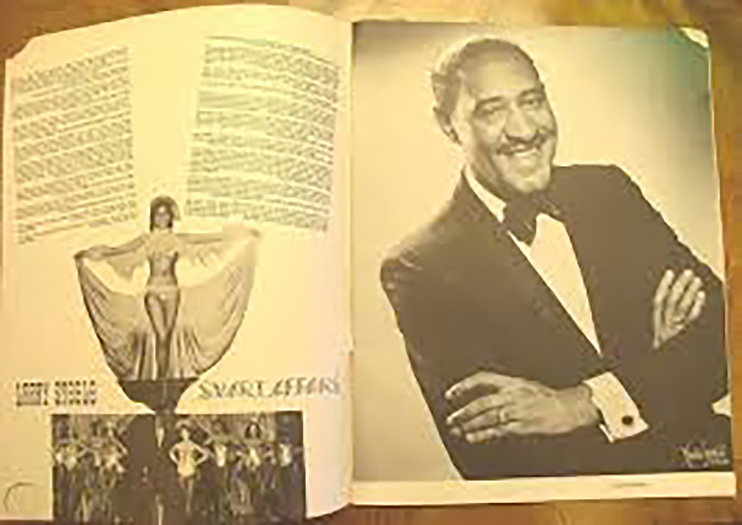
Steele didn’t set out to be a producer. Born in 1913 in Chicago, his father was a barber who wanted his son to become a lawyer. Aiming to please, Steele intended to enroll at Northwestern University to study law, but a 1934 visit to the Chicago nightspot, the Panama Café, changed all that. He ended up singing, emceeing, and leading the band at the Panama, and received three dollars per night for his considerable efforts. He caught the showbiz bug, and in lieu of a law degree at Northwestern, he ended up in Atlantic City at Club Harlem in 1946. He already had some experience in managing black entertainers’ bookings on what was then called the “Chitlin Circuit,” a network of national venues that booked African-American entertainers. It didn’t take long until he parlayed his talents into producing the first version of “Smart Affairs” in the summer of 1946.
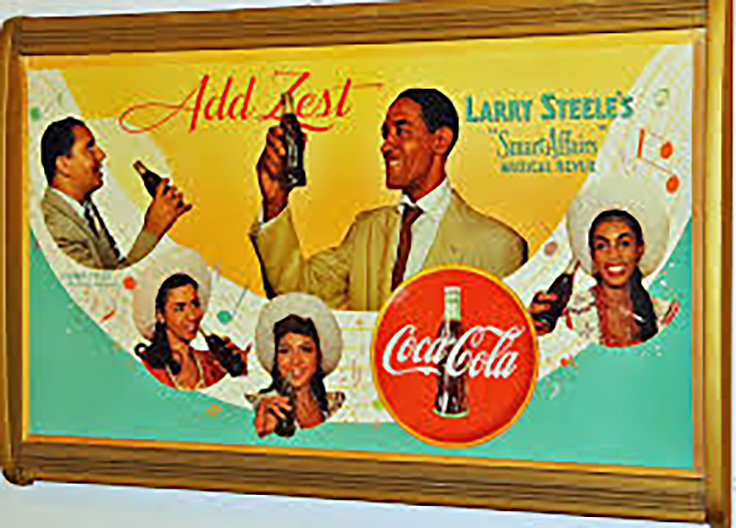
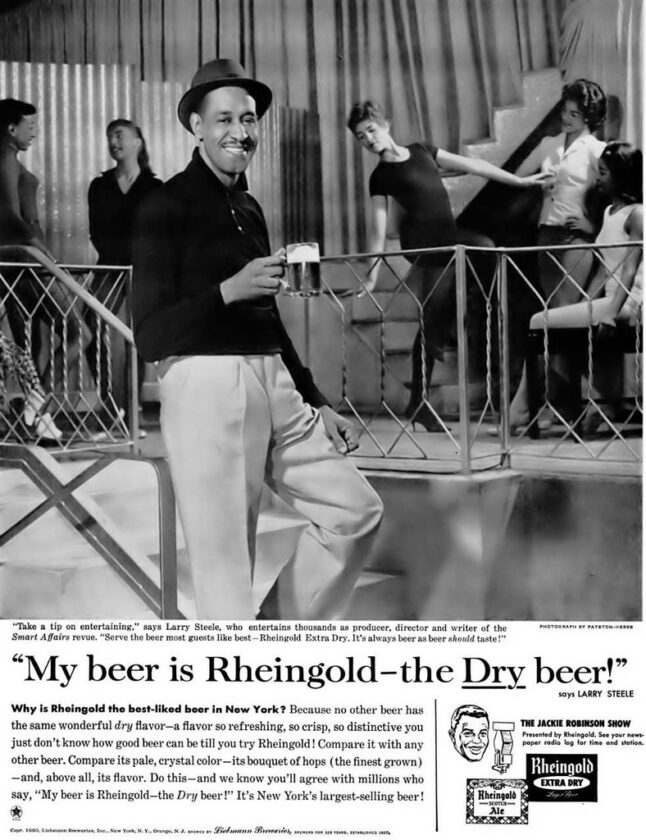
Larry Steele was revered. In 1961, Howard University’s Alumni Association presented him with the “Racial Dignity and Human Relations Award.” The show was such a success in Atlantic City that Steele was able to produce a second “Smart Affairs” revue, circa 1969, for Miami Beach’s tony Eden Rock Hotel. During that period, several other versions of “Smart Affairs” were produced by Steele in various resort locations across the country. At one point, his fame was so widespread, that he appeared in advertising as an endorser of Coca-Cola and Rheingold Beer among other products.
As Atlantic City’s fortunes changed in the early 1970s, so did the fortunes of Club Harlem, though the owners claimed the venue was profitable through 1977. Still, with the times and demographics changing, Steele closed “Smart Affairs” in 1971. A year later, an Easter morning shooting — during singer Billy Paul’s performance in front of 600 people — gave Club Harlem the wrong kind of publicity. Three people were killed and 20 were injured. Things were never the same.
Despite efforts to save the club, and then-Mayor James Usry was one of those who spearheaded efforts to keep it open, Club Harlem was sold in 1986 and never opened again. In December of 1992, a nor’easter pretty much destroyed the building, and all that’s left now is a historical marker on Kentucky Avenue that celebrates the location of the legendary club. Larry Steele died in his Chicago hometown in June 1980 at the age of 67.
Larry Steele and Club Harlem made history. “Few clubs prospered longer than Club Harlem,” wrote Jeff Gold in his landmark book, “Sittin’ In: Jazz Clubs of the 1940s and 1950s.” “From 1935 to 1986, it was Atlantic City’s premier club for Black jazz musicians. Black and white patrons mingled at the club, eager to enjoy a night of African-American entertainment in an upscale environment similar to that of New York’s Cotton Club.”
The historical marker reads in part: “In the glory days of the 1950s, Club Harlem had people lined up for blocks to see the 6:00 a.m. breakfast show. Every night was our party,” said historian Sid Trusty. “And we invited the world.” And from 1935 to 1986, the world came.