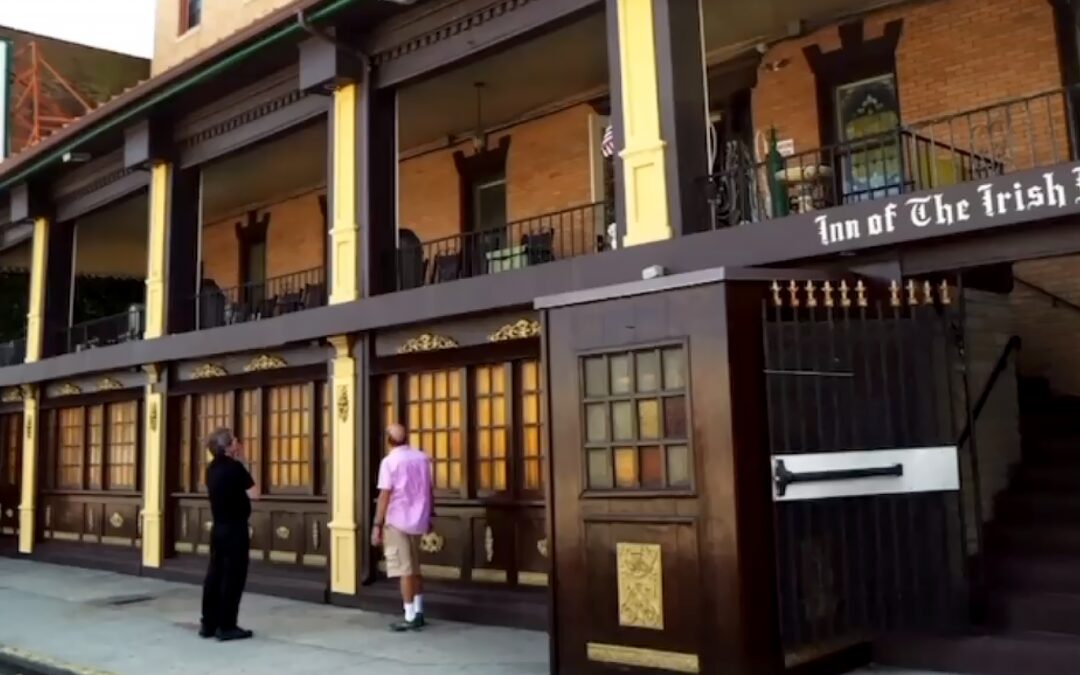
For generations of Atlantic City visitors, late-night meals, pints of beer and walls packed floor-to-ceiling with memorabilia have made the Irish Pub a landmark.
Now, the future of the beloved establishment is uncertain after its owners announced a temporary closure tied to ongoing fire code and sprinkler system issues.
The iconic pub, located on St. James Place in Atlantic City, closed its doors this month as owners work to address state requirements for a full sprinkler retrofit inside the aging building.
The Irish Pub has long been considered one of Atlantic City’s most recognizable independent gathering spots, known for its old-world atmosphere, extensive collection of historical artifacts and reputation as a 24-hour hangout for casino workers, tourists and locals alike. The business also operates an inn above the pub, adding another layer of complexity to the building’s code requirements.
At the center of the dispute is the building’s classification under state fire regulations. According to reports, state officials determined the structure qualifies as a high-rise building, triggering requirements for a modern sprinkler system throughout the property. Owner Cathy Burke has argued the installation process could damage the decades of memorabilia and historic interior features that helped make the pub famous.
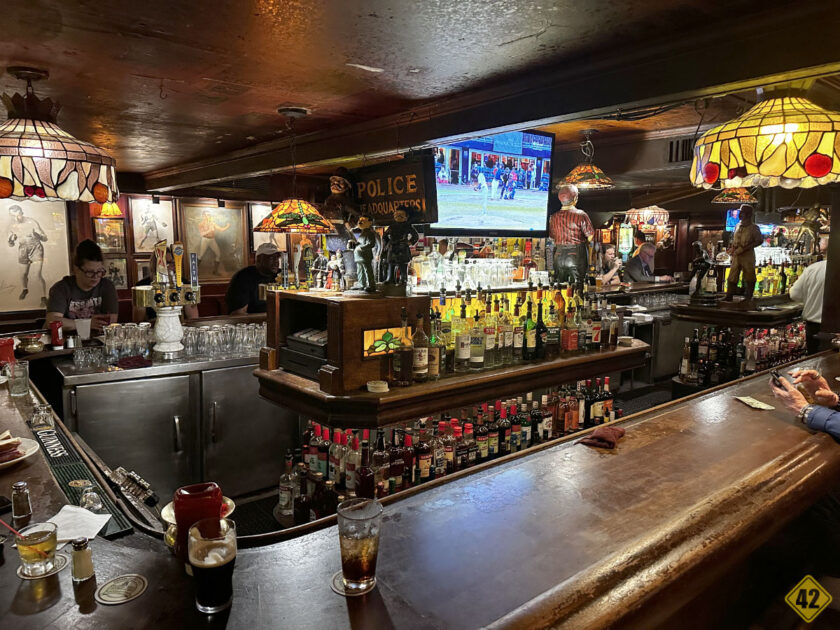
Retrofitting historic buildings can be extraordinarily expensive and difficult, particularly when preserving original woodwork, photographs and antiques.
Online reaction from customers and Atlantic City residents has been emotional, with many expressing hope that the business can survive the costly upgrades.
The closure has renewed concerns about the survival of longtime independent businesses in Atlantic City as rising maintenance costs, stricter regulations and redevelopment pressures continue to challenge legacy establishments. The Irish Pub has been part of the city’s identity for decades, drawing visitors looking for a different experience from the casino floor nightlife that dominates much of the resort.
The uncertainty surrounding the pub also highlights broader questions about preserving historic South Jersey businesses while meeting modern safety standards. Similar challenges have affected older shore-area properties in recent years, especially those built long before current fire codes existed.
While no permanent closure has been announced, the timeline for reopening remains unclear. Burke said she hopes the business can eventually return, saying, “This can’t be the end.”