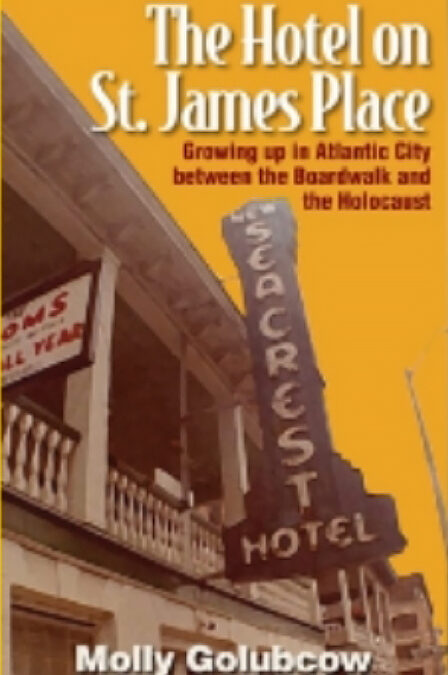
Author of “The Hotel on St. James Place — Growing up in Atlantic City between the Boardwalk and the Holocaust” shares her story
Coastal Conversations
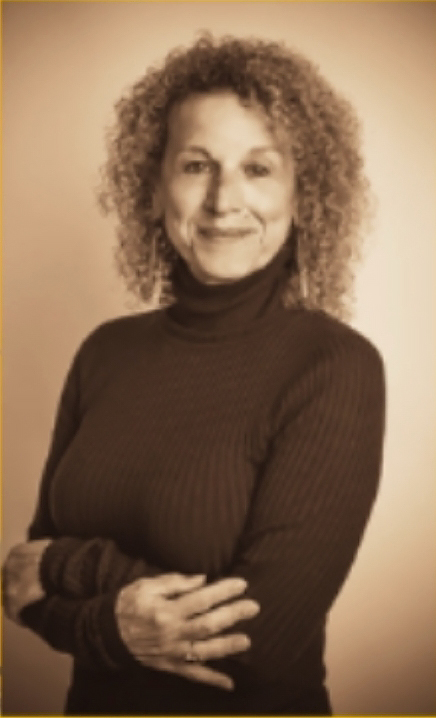
Along the bustling boardwalk of 1970s Atlantic City, Molly Golubcow grew up between two very different worlds: her parents’ past as Holocaust survivors and the lively, ever-changing culture of the seaside hotel they ran. While their history carried unimaginable weight, their present was filled with a steady stream of guests from all walks of life.
In “The Hotel on St. James Place,” Molly captures how her parents’ resilience shaped how they treated others, creating a space defined by dignity and kindness. From her perspective, the hotel becomes a place where contrasting worlds meet, and every person who walks through the door has a story to tell.
Here are some excerpts from our Coastal Conversation:
AS: Your book, “The Hotel on St. James Place,” shares a very personal and powerful story. What inspired you to put your family’s experiences into writing?
MG: Two things motivated me to write the book: Number one, I wanted to record my parents’ stories of survival. To have lived through the Holocaust is nothing less than a miracle. With antisemitism on the rise as well as those who deny it ever happened these days, I really wanted their story “engraved in stone” – an official record in history. Second, I wanted to convey my parents’ amazing sense of resilience – their guts and grit to be able to move on and create a new and meaningful life even after living through hell.
AS: Growing up in Atlantic City during the 1970s, what was it like living between the world of your parents’ past and the vibrant boardwalk culture around you?
MG: Although you may think there would have been a culture clash between my parents and their old-world ways with the world that was AC, we all got along. And we all got along because my parents treated our not-so-five-star clientele with respect and kindness.
AS: Your parents were Holocaust survivors who chose kindness and respect in how they treated others. How did their experiences shape your perspective on people and community?
MG: By watching my parents and how they interacted with people at the hotel, I learned by example to treat people equally, regardless of race, religion, or any “difference” from me. I think it has given me a “comfort level” that makes me less fearful of people from other cultures or backgrounds.
AS: The hotel your family ran brought in many unique personalities. Are there any memorable stories or characters that stand out to you?
MG: Oh wow! Many unique personalities. A hotel is a transient business. People come and go and bring their stories, sometimes sad and sometimes funny, with them. What makes the stories in my book stand out is the huge contrast of my parents interacting with characters like drag queens, pimps, and drug dealers in the 1970s, people and professions so foreign to them from their old world ways.
AS: You’ve spoken at events like Holocaust Remembrance Day and shared your story with students. Why is it so important to continue telling these stories today?
MG: History is so important. If we do not learn and understand the past, especially dark periods like the Holocaust, we are destined to repeat the atrocities. I especially think teaching this piece of history to students in school is so important. Our youth of today will become tomorrow’s leaders. They need to learn the lessons of the past so they can ensure it never happens again. And with so much misinformation and propaganda on social media, it’s even more important to teach those lessons.
AS: As someone who has taught Yiddish, what role do you believe language plays in preserving culture and history?
MG: I am a first-generation American. Although immigrants and their children want to “fit in,” I think it’s also very important to hold on to and embrace your culture, through language, customs, and identity. Teaching Yiddish keeps my parents’ language and traditions alive and meaningful.
AS: You’re very active in the Jewish community. What does that involvement mean to you personally?
MG: If we do not get involved, we are alone, and a community can’t be made up of loners. So, it’s important to participate in and support the community, whatever that means to you. It takes a village!
AS: You’ll be chairing the arts, books, and culture festival at the Jewish Community Center. What can people look forward to from that event?
MG: The Arts, Books, & Culture Festival, a month-long event held each November, brings our community together and offers a wide range of events. Books and their authors, of course, are a big draw. In addition, the festival offers movies and director-led discussions, musical entertainment, cooking classes, and other events.
AS: In addition to writing, you volunteer at The Arc in Ventnor. What draws you to that work?
MG: Basically, I love old stuff! Antiques and collector items. Volunteering at the ARC is meaningful since all proceeds go towards the organization. And, I get to sort and tend to all sorts of treasures that people donate to the charity. It’s a win-win situation.
AS: Looking back on your journey, what do you hope readers take away from your story and your family’s legacy?
MG: During the Holocaust, 6 million Jews were killed. Sadly, they will never have their stories told. My parents survived, and I don’t want their stories to ever be forgotten. So, my hope is that the book not only keeps their survival story alive and current, but also illustrates how Harry and Sonia Golubcow found a way to show kindness and acceptance to a hotel full of colorful clientele who were very different from them. To this day, I don’t know how they mustered up the will to not only go forward, but to do it with so much kindness. Maybe we all need to learn that lesson these days.
Thank you so much to Molly Golubcow for sharing this powerful story of resilience, kindness, and community that continues to resonate today. Her voice is a meaningful reminder of the importance of preserving history and carrying it forward.
Coastal Conversations highlights people in our community who are making a meaningful impact. If you know someone who would be a great fit for a future column, please contact me at ShoreCoastalConversations@gmail.com.
From the shore to your door, let’s keep the conversation going.