
If you’ve ever stood in a South Jersey supermarket aisle feeling completely confused about which product is the healthiest choice, you’re in good company. Between food labels, health claims, and constantly shifting nutrition advice, it’s hard to know what to put in our cart. But the latest round of federal dietary guidelines is aiming to simplify things, and the message is more practical than you might expect.
The U.S. Department of Agriculture and the Department of Health and Human Services refresh The Dietary Guidelines for Americans every five years. The FDA works alongside that process, shaping what we see in the grocery store through Nutrition Facts labels, ingredient lists, and what health claims brands are allowed to make on packaging. Think of it this way: the guidelines point the direction, and the FDA helps us navigate it in aisle seven.
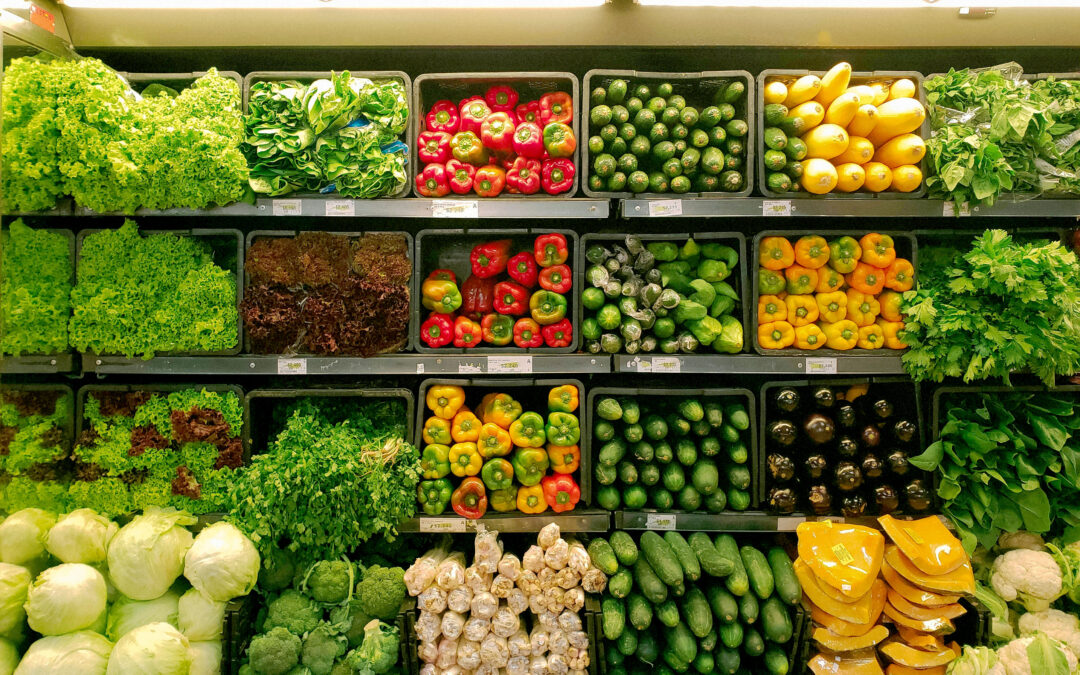
What’s actually new? The latest guidance doubles down on nutrient-dense foods, such as fruits and vegetables, beans and lentils, whole grains, nuts and seeds, seafood, lean proteins, dairy or fortified alternatives, and healthy oils. At the same time, it takes a harder stance on added sugars, sodium, and ultra-processed foods that tend to be loaded with refined ingredients and light on fiber and protein. There’s also more attention on gut health and fermented foods, which is something nutrition professionals have been talking about for years.
Two local nutrition experts are pleased with the new guidelines.
Georgia Saler, owner of Vitality Nutrition and Wellness Center in Linwood, welcomes the shift. “I’m encouraged that the new dietary guidelines are putting more attention on whole, real foods and finally recognizing the importance of gut health, including fermented foods,” she says. “Fiber is still a major priority, which is important because most people are not getting nearly enough. I also think it’s significant that the guidelines are taking a stronger stance on added sugars and calling out ultra-processed foods more directly.”
She does have one note of caution, though. “A lot of people are replacing sugar with sugar alcohols such as erythritol and xylitol, and those ingredients deserve a closer look. Overall, the message is moving in a healthier direction, even though the process behind developing the guidelines was clearly complicated and, at times, controversial.”
It’s worth clarifying what “ultra-processed” actually means, because not all processed food deserves a bad reputation. Frozen vegetables, canned beans, plain yogurt, whole grain bread are fine. The concern is with products engineered for maximum convenience and taste, created with refined ingredients, sweeteners, excess sodium, and very little nutritional substance. That’s the category the new guidelines are pushing back against.
Alison Strittmatter, clinical nutritionist with Nutriamed Metabolic and Lifestyle Center in Egg Harbor Township, views the updated guidance as genuine progress. “The new food pyramid has literally been flipped upside down and places a lot of emphasis on more whole, minimally processed, single-ingredient foods. I am very happy with this push to eat less processed foods.” While saturated fat intake has not changed, an increase in overall fat has been encouraged. “However,” she notes, “even healthy fats can be over-consumed. In addition, at long last, alcohol intake has been addressed with a less is better approach.”
She is encouraged to see less focus on grains and starches as the foundation of the diet, and more attention given to non-starchy vegetables, whole fruits, quality protein, and fiber-rich foods. She says. “It is also important that the guidelines acknowledge the microbiome and fermented foods, because of the strong connection between gut health and overall wellness.”
But Strittmatter is quick to point out that food is only part of the picture. “Nutrition is only one part of the bigger picture. We also have to look at physical activity, sleep, stress, time outdoors, and social connection, because all of those factors influence health in a major way.” Even the most dialed-in eating plan can’t fully compensate for chronic stress, too little sleep, or not enough movement. The newest guidance seems to understand that, aiming for a realistic healthy pattern rather than an impossible perfect one.
So, what does this look like on a busy Tuesday night when you’re trying to get dinner on the table? Start with small upgrades to what you already buy. If frozen meals are part of your weeknight rotation, look for options with a solid protein source, some vegetables, and reasonable sodium. If takeout happens a couple nights a week, aim for healthier options and balance it with simpler meals at home on the other evenings. If your family eats cereal, look for one with more fiber and less added sugar. If yogurt is a staple, choose one higher in protein and sweeten it yourself with fresh fruit.
This is also where clearer food labeling would make a real difference. The Nutrition Facts panel is useful, but it takes some work. Front-of-package labels, something the FDA has been working toward, could make it much faster to spot a high-sodium product or compare two similar items without doing mental math in the middle of the aisle.
The newest nutrition guidance is less about following a strict rulebook and more about returning to common sense. Eat more of what nourishes you, cut back on what doesn’t, and remember that small consistent upgrades made day after day add up to something meaningful over time. That’s where lasting health truly happens.