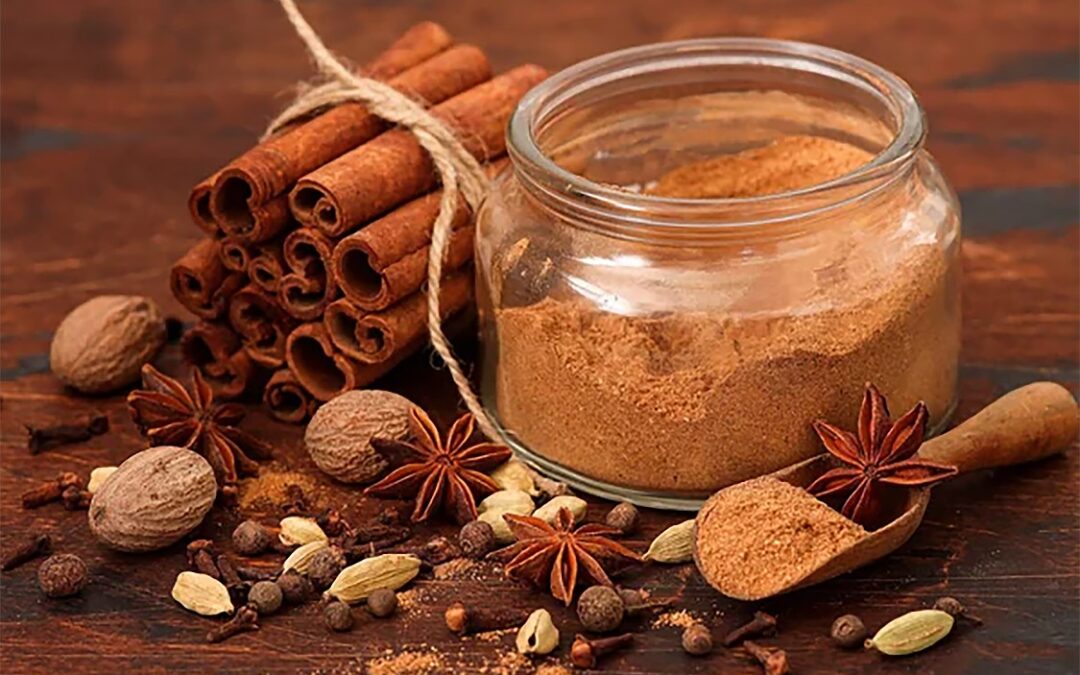
The holidays are a season of abundance—abundant gatherings, abundant emotion, and, of course, abundant flavor. Yet for many people, this time of year also brings a spike in inflammation, driven by stress, disrupted routines, richer foods, and colder weather. One of the simplest, most joyful ways to support the body during this season is by leaning into the natural anti-inflammatory power of spices. These aromatic ingredients don’t just make food taste like the holidays—they offer measurable benefits for metabolic health, digestion, and overall well-being.
Cinnamon: Warming sweetness with metabolic Blbenefits
Cinnamon is one of the most iconic holiday spices, and it also happens to be one of the most studied for its anti-inflammatory and antioxidant properties. Its natural sweetness allows you to reduce added sugar without sacrificing flavor, which is especially helpful for anyone navigating shifting taste preferences or appetite changes. Sprinkle cinnamon into roasted squash, oatmeal, baked apples, or even savory rubs for poultry. It’s a spice that feels like a hug—and your blood sugar appreciates it too.
Ginger: Bright, zesty, and gut-supporting
Fresh or ground, ginger brings a lively heat that cuts through heavier holiday dishes. It’s well known for its anti-inflammatory compounds, particularly gingerol, which supports digestion and may help ease nausea or sluggishness after richer meals. Ginger shines in everything from gingerbread cookies to cranberry sauce, glazes for carrots, marinades for salmon, and warm teas. It’s a spice that wakes up both the palate and the body.
Turmeric: Golden support for the immune system
Turmeric has become a wellness staple for good reason. Its active compound, curcumin, has been widely studied for its anti-inflammatory and antioxidant effects. During the holidays—when immune systems are taxed and routines are disrupted—turmeric offers grounding support. Add it to roasted vegetables, soups, rice dishes, or warm holiday broths. Pairing turmeric with black pepper enhances absorption, making it even more effective.
Cloves: Deep flavor with potent antioxidants
Cloves are tiny but mighty. Their bold, almost floral intensity is a hallmark of holiday baking, mulled wine, and spice blends. They’re also rich in eugenol, a compound with strong anti-inflammatory and antimicrobial properties. A little goes a long way: add cloves to pumpkin pie spice mixes, baked pears, ham glazes, or simmering cider. They bring depth, warmth, and a sense of nostalgia to the table.
Nutmeg: Comforting warmth for sweet and savory dishes
Nutmeg is often associated with eggnog and desserts, but it’s equally powerful in savory dishes like creamy soups, roasted sweet potatoes, and winter greens. Its anti-inflammatory benefits come from its high antioxidant content, and its subtle sweetness helps create satisfying flavor without relying on sugar. A pinch can transform a dish, making it feel richer and more complex.
Rosemary and Thyme: Herbal anchors for holiday meals
Rosemary and thyme deserve a place on any anti-inflammatory holiday list. Both contain compounds that support immune function and reduce oxidative stress. Rosemary’s piney aroma pairs beautifully with roasted potatoes, poultry, lamb, and infused oils. Thyme brings earthiness to stuffing, gravies, soups, and roasted vegetables. Together, they create the savory backbone of many holiday meals.
Bringing it all together
Using anti-inflammatory spices isn’t about restriction—it’s about amplifying flavor, supporting the body, and creating meals that feel both festive and nourishing. These spices help reduce reliance on sugar and salt, deepen satisfaction, and bring a sense of ritual to the kitchen. Whether you’re crafting a holiday menu, designing a curriculum module, or simply cooking for yourself, these spices offer a way to honor both tradition and well-being.
Extra Tips to Use These Spices to Elevate Holiday Cooking
- Build a “Holiday anti-inflammatory spice blend” Combine cinnamon, ginger, nutmeg, and cloves for a warming blend that works in both sweet and savory dishes.
- Create a “Golden Holiday Broth” Turmeric + ginger + thyme simmered with vegetable stock for a restorative base.
- Use herb-forward rubs Rosemary + thyme + citrus zest for poultry or roasted vegetables.
- Add spices to reduce sugar reliance Cinnamon, nutmeg, and cloves add perceived sweetness without added sugar—perfect for GLP-1 users with shifting taste preferences.