
Congratulations, you endured through the long, harsh winter and have made it to spring! Yes, I understand, you may not be able to tell by looking at your weather app or out your window, but we have finally hit the long-anticipated spring equinox, when day and night shake hands as equals. Then, in a gesture of goodwill, night will take a bow, allowing daylight to take center stage, beginning the long dance, slowly at first, before waltzing in all its glory into summer. Look around your garden. Despite cold temperatures, daffodils, hyacinths and tulips have emerged, peaking their heads through the soil after their long slumber. They also have been waiting for this moment, ready to join the dance. And gardeners, who have barely been able to contain themselves, will begin anew.
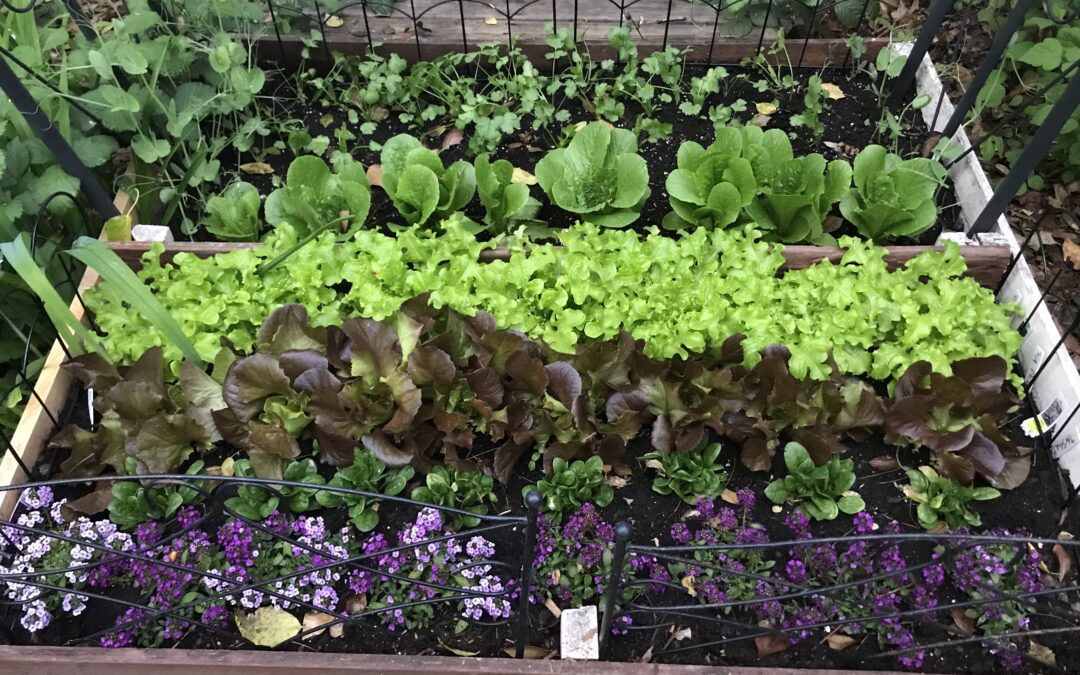
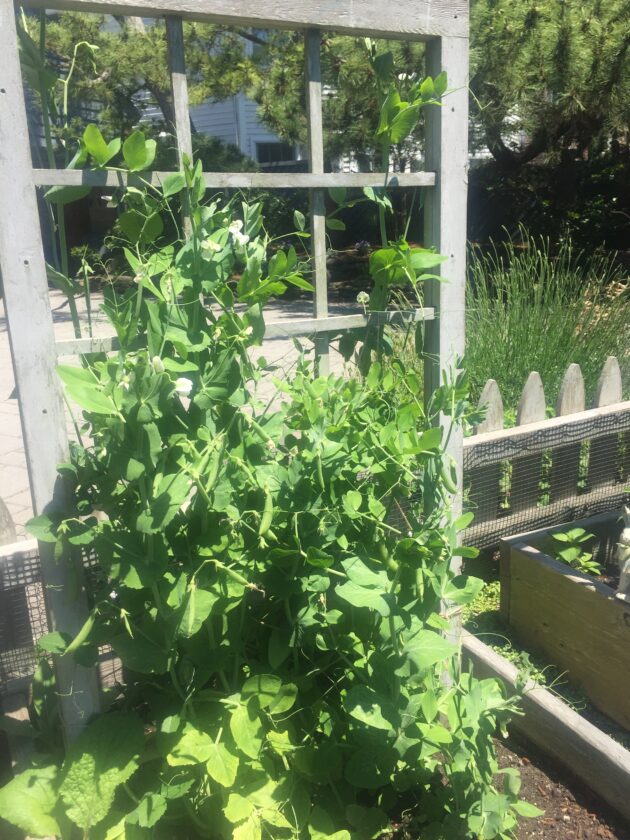
Now you may be thinking to yourself that gardening cannot start until all danger of frost has passed. While that may be true for tender annuals and frost-sensitive plants, in our Shore Local area, cool-season herbs and vegetables should be planted now. These sweater-weather crops, such as peas, spinach, lettuce, radishes, arugula and cilantro, need time to grow and mature before it gets too warm. Once summer nears and it begins to get hot, cool-season plants will “bolt,” meaning they will go into preservation mode and change from producing crops to forming seeds. Your goal is to time things just right, so that you can harvest your vegetables before it gets too hot. Most of these cool-season veggies are easy to grow by following the instructions on the back of the seed packet. You can grow your own salad in about 30 days by sprinkling a mesclun mix in a bowl or pot of soil. Grow peas by soaking the seeds overnight to soften the hard, outer seed coat, and then plant your peas the next day. Provide supports, such as bamboo stakes, for the peas to climb on, and you will be on your way to a harvest of sweet, fresh peas. Don’t let cold temperatures scare you, since cool-season crops can take a light frost. In fact, certain plants like kale, Swiss chard and spinach will convert their starches into natural sugars and become sweeter after temperatures dip.
If you are new to gardening, start small and aim for early successes. Purchase seedlings from your local garden nursery. This way, someone else has done the initial work of germinating the seeds and given you a head start. Then you can start with learning gardening basics and build on these foundations. Do not become discouraged if your vegetables are not worthy of blue ribbons at the 4-H fair. Each success — and failure — is one more step in the learning process. Consult with more experienced gardeners for advice by asking questions at your local garden nursery or joining a garden club. Keep in mind that healthy plants start with healthy soil. Provide your gardens with well-decomposed compost to amend your soil, and if in doubt about the health of your soil, have your soil tested.
Now that we have made it through the challenges of a cold, snowy winter, gardening can restore our souls as we dig in the dirt. Growing your own herbs, vegetables and flowers can be very rewarding, especially as you share with others. We would love to join you on your journey. Send your gardening questions and comments to shorelocalgardener@gmail.com.
Tammy Thornton lives with her husband, children, and crazy pets while enjoying a life of gardening, cooking, and going to the beach.