Coastal Conversations
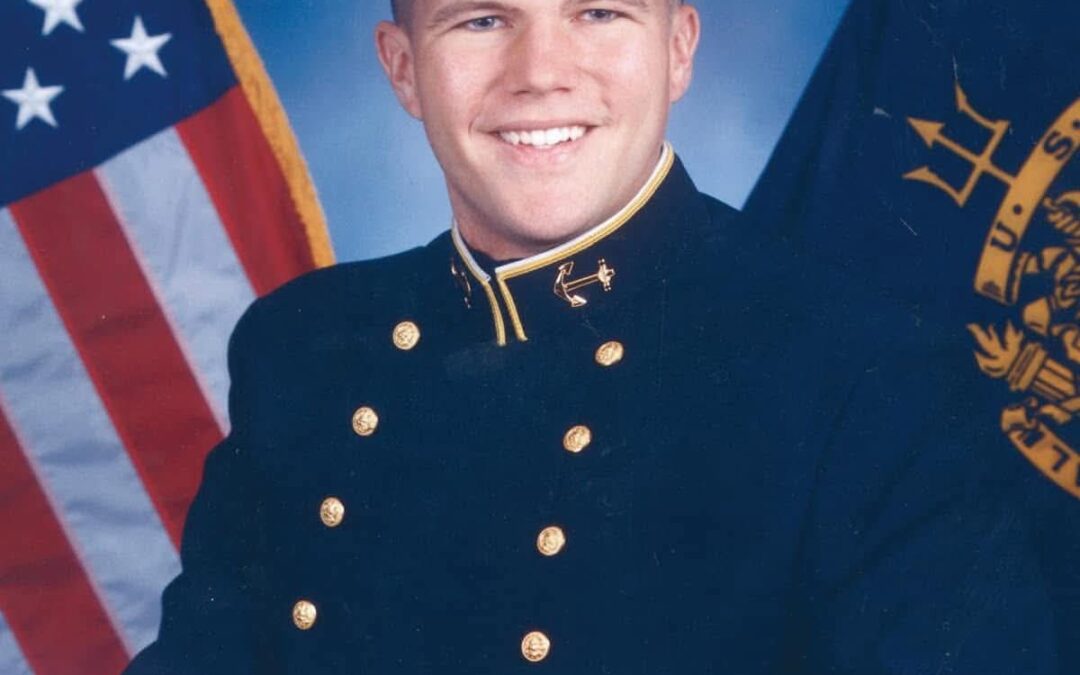
Bill Elliott has spent the last 25 years turning unimaginable personal loss into a powerful movement to promote designated driving and prevent drunk driving tragedies. In July 2000, Bill and his wife Muriel lost their son, Ensign John R. Elliott, just two months after his graduation from the U.S. Naval Academy. John, who had recently been named the Academy’s Outstanding HERO, an acronym for Human Education Resource Officer, was killed by a drunk driver on his way home to visit his family in Egg Harbor Township.
Determined to honor John’s memory in a way that would save lives, Bill and Muriel founded the John R. Elliott HERO Campaign for Designated Drivers later that same year. What began as a local remembrance has since grown into a nationally recognized initiative, promoting the simple yet powerful idea that choosing a sober designated driver is an act of selflessness.
Under Bill’s leadership, the HERO Campaign has partnered with law enforcement agencies, high schools and universities, bars and restaurants, major sports teams, and community organizations to spread its message: “Be a HERO. Be a designated driver.” From HERO-wrapped patrol cars and billboards, to popular mocktail competitions and campus pledge drives, the campaign continues to engage communities and reduce impaired driving.
Bill’s ability to transform his deeply personal story resonates with people of all age groups and walks of life. His work celebrates designated drivers as heroes who protect lives, framing them as “the life of the party,” ensuring everyone gets home safely.
Today, Bill Elliott remains the compassionate, determined force behind the HERO Campaign, honoring John’s legacy through education, prevention, and the belief that one responsible decision can change everything. I was struck by Bill’s passion to prevent others from getting “the knock on the door at 4 am.”
Here are excerpts from our Coastal Conversation:
AS: How did you find the strength to turn your grief into founding the HERO Campaign?
BE: It was our love for our son that compelled us to create the HERO Campaign to save lives and make a difference in his memory.
AS: Can you describe how the acronym “HERO” shaped the mission of the campaign?
BE: John was named the Outstanding HERO of his graduating class as a Human
Education Resource Officer. He served as a mentor, counsellor, and advocate for his fellow midshipmen at the Naval Academy. We thought HERO would be a fitting name for the campaign to prevent his tragedy from happening to others. The HERO in our campaign is the designated driver.
AS: What specific initiatives have you seen make the biggest impact in encouraging people to become designated drivers?
BE: The HERO Pledge – Over 150,000 drivers have taken our online HERO
Pledge not to drink and drive and to be designated drivers, and HERO Car window decals. More than 200,000 HERO car window decals have been displayed by motorists throughout New Jersey and six other states. HERO billboards are displayed on highways throughout the state, including those in memory of victims of DUI, and outstanding college student designated drivers. HERO Police Cars – We now have more than 40 police patrol cars wrapped with the HERO Campaign message: “Be a HERO. Be a Designated Driver.”
AS: How did programs like the mocktail challenges (“HEROtini” contests) and partnerships with bars and taverns help shift attitudes about drinking?
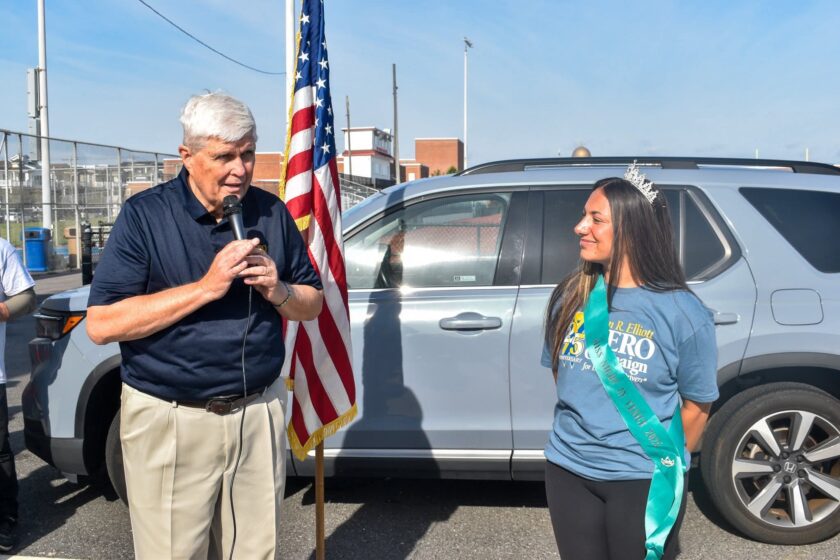
BE: Non-alcoholic mocktails are growing in popularity. We trademarked the term “HEROtini” to connect mocktails to the HERO Campaign, and then held a competition between 24 area bars, taverns, and casinos over the summer to see who had the most popular HEROtini.We also trademarked the phrase “Designated Drivers are the Life of the Party,” to promote the fact that designated drivers allow their friends to have fun and keep safe.
AS: What have been some of the biggest obstacles or challenges in expanding the campaign beyond New Jersey, and how have you worked to overcome them?
BE: The biggest challenge to our growth into other states has been adequate funding and staffing. We still are a relatively small non-profit organization. Partnerships have been the answer: We work with Police, highway safety agencies, sports stadiums, and bar and tavern owners.
AS: Can you share a quick story that shows that the HERO Campaign is making a real difference?
BE: We have conducted surveys that show a high degree of awareness and support for the HERO Campaign. We also see the HERO decals on rear car windows everywhere. In addition, we have a waiting list of police departments wanting to participate in our HERO Patrol Car wrap program.
AS: What is your vision for the next five to ten years of the HERO Campaign? Are there new directions or goals you hope to pursue?
BE: We hope to attract new partners, including government agencies, in our simple but profound campaign to convince people that having designated drivers is the simplest and best way to prevent drunk driving tragedies.
AS: For families who may have experienced loss due to drunk driving, what advice or encouragement would you give them about turning tragedy into action?
BE: Everyone grieves in their own way. We have found that time heals the pain of your loss, in addition to living for the other loved ones in your life.
Many thanks to Mr. Elliott for being my first guest in this new column, Coastal Conversations. As we celebrate the holidays, let’s keep in mind the importance of responsible, sober driving, so we all may enjoy the season safely.
Coastal Conversations highlights people in our community who are making a meaningful impact. If you know someone who would be a great fit for a future column, please contact me at ShoreCoastalConversations@gmail.com.
From the shore to your door, let’s keep the conversation going.