A conversation with Christina Muhlbaier
During this month dedicated to matters of the heart, AtlantiCare continues its mission to improve the heart health of the community. Their 17th Annual Red Dress/Red Tie event, held in early February, raised funds to expand access to automated external defibrillators (AEDs) across the region.
Guided by Christina Muhlbaier, AtlantiCare’s cardiac lead, event proceeds support a shared-cost program that helps local businesses and organizations place AEDs in visible, high-traffic locations. In the event of cardiac arrest, immediate action is vital and the AEDs placed through this initiative have already helped save lives. Since its inception, the event has raised almost $400,000 and placed hundreds of AEDs in our area.
Christina Muhlbaier’s involvement in Red Dress Red Tie underscores the important role medical leadership plays in community advocacy. Her work bridges advanced cardiac care with prevention, education and public awareness. This event not only raises critical funds, but also sparks conversation, builds partnerships and strengthens emergency readiness throughout the area. Through collaboration and community commitment, Red Dress/Red Tie continues to help create a safer region, one AED, one partnership and one heartbeat at a time.
Here is my Coastal Conversation with Christina Muhlbaier.
AS: What does the Red Dress/Red Tie event mean to you in your role as AtlantiCare’s cardiac lead?
CM: As AtlantiCare’s cardiac lead, the Red Dress/Red Tie event is deeply meaningful to me both professionally and personally. Working in cardiac care, I see patients arrive after sudden cardiac arrest, and when I hear that an AED was present and used in the field, I know there is a significantly better chance of survival and meaningful recovery. Beyond my clinical role, as a leader, this event represents AtlantiCare’s commitment to making a real difference in the community. It’s not just about what happens inside the hospital walls, it’s about ensuring people have access to lifesaving tools before they ever reach our doors. Red Dress/Red Tie reflects that mission in action, strengthening community preparedness and helping save lives where and when it matters most.
AS: How do funds raised through this event translate into real, lifesaving impacts for our community, particularly through AED placement?
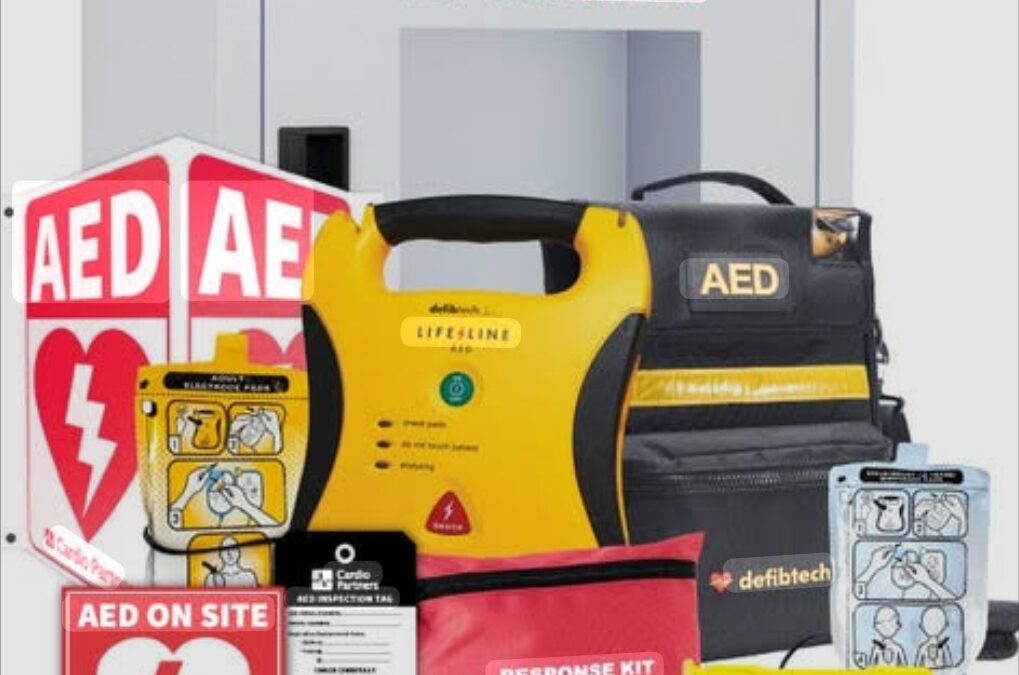
CM: The funds will support the purchase of AED kits for the community; each AED kit costs $1,500.
AS: Why is the shared-cost partnership with local businesses such an effective model for expanding access to AEDs?
CM: A shared-cost partnership with local businesses is an effective model for expanding access to AEDs because the money they donate goes directly toward purchasing the AED units themselves. This ensures transparency, builds trust and maximizes impact — every contribution results in more life-saving equipment placed in the community while spreading the financial responsibility across multiple partners.
AS: From a clinical perspective, how critical is early defibrillation in improving survival during sudden cardiac arrest?
CM: From a clinical perspective, early defibrillation is one of the most critical determinants of survival in sudden cardiac arrest. When a patient is in a shockable rhythm such as ventricular fibrillation or pulseless ventricular tachycardia, defibrillation is the only definitive treatment. Survival decreases by approximately 7–10% for every minute defibrillation is delayed, even when CPR is being performed. Rapid use of an AED — ideally within the first 3–5 minutes — can raise survival rates to 50–70%, compared with less than 10% when defibrillation is significantly delayed. Early defibrillation restores a viable heart rhythm, preserves neurological function and dramatically improves overall outcomes.
AS: Has increased access to AEDs made a difference?
CM: Yes, for example, an AED we placed saved a coach from a basketball team.
AS: How does the Red Dress/Red Tie event help bridge the gap between hospital-based cardiac care and community preparedness?
CM: The Red Dress/Red Tie event helps bridge the gap between hospital-based cardiac care and community preparedness by translating clinical knowledge into real-world action. While hospitals provide advanced treatment after a cardiac event occurs, this event focuses on prevention, early response and access to lifesaving tools in the community. By raising awareness, educating the public and directly funding AED placement, the event empowers bystanders to act in the critical minutes before emergency medical services arrive — when survival is most dependent on immediate CPR and defibrillation. In doing so, it connects expert cardiac care with practical, community-level readiness that saves lives.
AS: What role does education and training play alongside AED placement in saving lives?
CM: When I place the AED out into the community, I provided training on how to use the device.
AS: What message would you like businesses and community members to take away from supporting the Red Dress/Red Tie event?
CM: The key message is that supporting the Red Dress/Red Tie event is a direct investment in saving lives. When businesses and community members come together, their support turns awareness into action, placing AEDs where people live, work and gather, ensuring help is available in the moments that matter most. Every contribution strengthens community preparedness and reinforces the shared responsibility we all have in protecting one another from sudden cardiac arrest.
Many thanks to Christina Muhlbaier for sharing her insights into her lifesaving work and the dedication behind the Red Dress/Red Tie event.
Coastal Conversations highlights people in our community who are making a meaningful impact. If you know someone who would be a great fit for a future column, please contact me at ShoreCoastalConversations@gmail.com.
From the shore to your door, let’s keep the conversation going.