

The Daily Union was one of several daily newspapers that served Atlantic City and Atlantic County during the late 1800s and the early part of the 20th century. The Union was an evening newspaper, first published on Sept. 3, 1888. Records show that it had several names through the years, including the Daily Evening Union, Evening Union and Atlantic City Evening Union, and that it published until 1953.
The Union’s publisher, John F. Hall, was definite about the newspaper’s mission from the outset.
“It is second to none in advocating measures for the best interests of the city, and aims to be fair, generous and just toward all. Hundreds of bright writers have found pleasure and profit in picturing Atlantic City these many years, and it is more of a pastime than a task for one who, during the last 20 years, has been writing of and for the city, to tell the story of its phenomenal growth and gratifying prosperity.
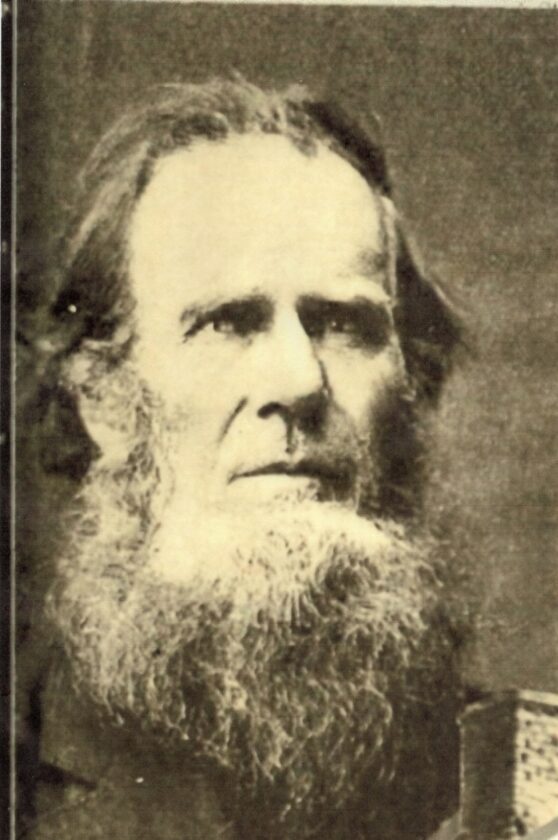
“From the most inaccessible and least habitable corner, this island has become the most populous and attractive business centre of Atlantic County. From a briar-covered area of duck ponds and sand hills, these acres have become a modern city of fine hotels, cottages, attractive stores and business blocks. It’s a summer health resort and winter sanitarium, with regularly laid out and paved streets with ample water supply, complete sewerage, electric lights, first-class fire protection, and all the appointments of a modern city.”
If the Union is remembered at all, some 70-plus years after the final issue was printed, it is by way of a book written by editor Hall, first published in 1899, called “The Daily Union History of Atlantic City and County, New Jersey.”
The 548-page volume – which interested parties can buy on Amazon, or read for free on archive.org – is a combination encyclopedia and almanac covering every possible piece of minutiae related to Atlantic City and surrounding areas.
Some of the book is pretty boring, especially when detailing the water and sewage departments, election results and an essay on marine life. Absolutely fascinating, however, are the listings and descriptions of prominent families, retail stores, schools, piers, hospitals and a history of railroads in the Atlantic City area.
One of the early selling points about Atlantic City, mentioned by Hall at the beginning of the book, was that visiting Atlantic City was good for your health. In fact, marketing from the turn of the century and beyond sold the city as a health resort. Hall must have been aware that the book would likely be used as a visitors’ guide for years to come, so he couldn’t resist editorializing about Atlantic City’s health benefits, proven or unproven. Regrettably, “The Invalid” is the title of Hall’s chapter about Atlantic City’s health benefits.
“A newcomer to Atlantic City, whether well or sick, is usually surprised by two sensations,” wrote Hall. “One is a feeling of sleepiness, and the other is an increased appetite. Thousands of visitors for the first few days of their stay here seem to do nothing but eat and sleep. They will be found in the hotels, in the sun-parlors, along the boardwalk or on the dry sandy beach, with neglected book or paper, either sound asleep or drowsily drinking in the beauty around them.
“This is not the listlessness of a warm, depressing, sultry, southern climate, but simply the result of perfect oxidation of tissue securing this very important factor in the recovery of the invalid. The increased appetite is due to the same cause, and with it comes the ability to digest more food, especially animal fats and oils. Still, the invalid needs to be cautioned against excessive eating, for with an increased appetite, and a tempting menu before him, he may be led into sinning, and as a result, suffer the pangs of acute indigestion.”
Because of pressure from white tourists, Atlantic City became officially and legally segregated in 1900, which is why the author, unfortunately, may have seen fit to include the following in his book:
“The first colored man to take up his permanent residence in this city was Billy Bright. He lived in a shanty on Rhode Island Avenue. The first colored boy to attend school in this city was Joe Ross, who had his separate desk in one corner of the room in the first public school house on Pennsylvania Avenue.”
The paper lived on after Hall died Nov. 4, 1916. The end finally came for the Daily Union and its various permutations on or about May 3, 1953. On that day Roland W. Adams, publisher of the Atlantic City Daily Press and Evening Union newspapers, announced that the two publications would merge into a morning daily and a Sunday edition. Adams, who had owned both publications since 1951, said that “the best features of The Press and The Union would be retained in the morning edition.”
The Atlantic City Daily Press had been around since 1895 until its name changed to Atlantic City Press in 1930, then to The Press in 1971, and in 1988 to The Press of Atlantic City, now publishing only on Tuesday, Thursday and Saturday and delivered to home subscribers by the post office.
In thumbing through Hall’s massive history, only one small piece of his editorializing stands as still being relevant today. That would be his warning against “excessive eating” in Atlantic City, because, as he said, “With an increased appetite and a tempting menu before him, he may be led into sinning, and as a result suffer the pangs of acute indigestion.”
I’ll try to remember that when I have my next slice of sausage pizza from Tony’s Baltimore Grill.
Bruce Klauber is the author of four books, an award-winning music journalist, concert and record producer and publicist, producer of the Warner Brothers and Hudson Music “Jazz Legends” film series, and performs both as a drummer and vocalist.