
Stress has become such a familiar part of daily life that many of us barely notice how much of it we are quietly carrying around. We push through packed days, juggle a dozen responsibilities, absorb difficult news, answer texts at all hours, and somehow convince ourselves we are “fine.” But our bodies know better.
Stress has a way of showing up everywhere. It can disrupt sleep, affect digestion, raise blood pressure, cloud our mood and focus, and even chip away at our patience with the people we love most. It can leave us feeling tired and wired all at once. While we cannot eliminate every stressful situation from our lives, we absolutely can change how we respond to them.
The good news? Stress relief does not have to mean a spa day, a weekend getaway, or a complete lifestyle overhaul. It is often the small things we do consistently make the biggest difference.
One of the easiest and most effective places to start is moving our bodies. We do not need a two-hour intense workout to feel better. A walk around the block, a bike ride, a game of tennis or pickleball, a little time in the garden, or even a few minutes of stretching can release tension and lift our mood. Physical activity helps lower stress hormones and boosts feel-good chemicals in the brain. It is one of the fastest ways to reset, both mentally and physically.
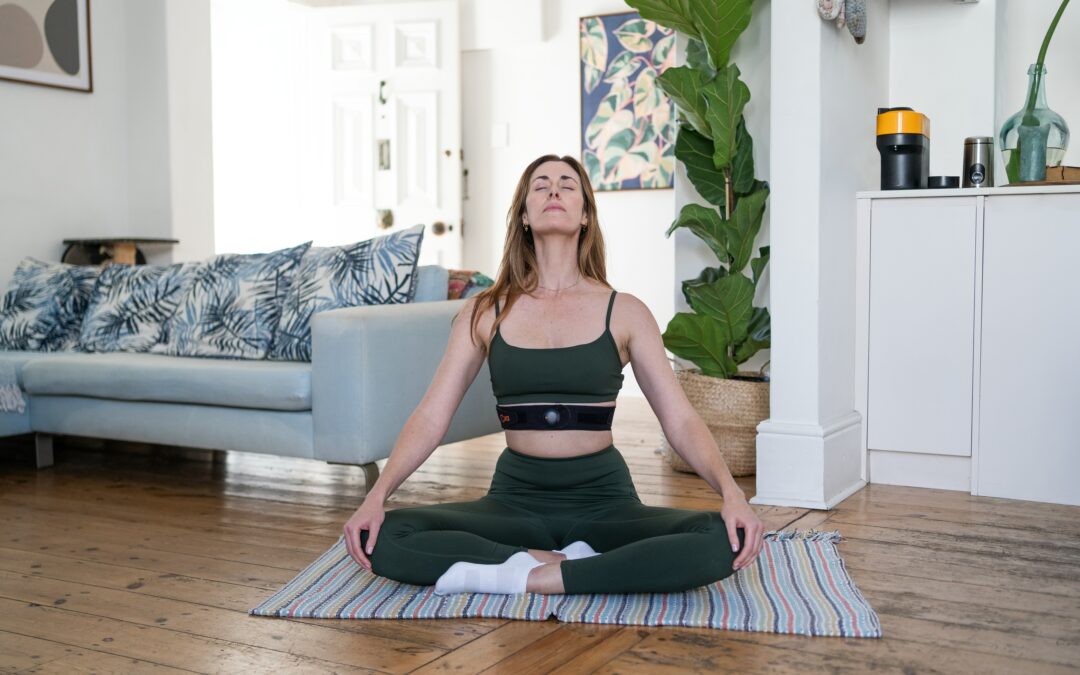
Breathing matters more than most people realize. When we are stressed, our breathing tends to become shallow and rapid, which can make anxiety worse. Taking a few slow, deep breaths sounds almost too simple to work, but it genuinely helps calm the nervous system. Try inhaling slowly through your nose for four counts, holding briefly, then exhaling for six. Repeat a few times and notice how your body responds.
Sleep is another big piece of the puzzle. Stress can interfere with sleep, and lack of sleep makes stress harder to handle. It is a frustrating cycle, but one that can be broken. Try keeping a consistent bedtime, limiting screen time before bed, reading, listening to calming music, taking a warm shower, or simply sitting quietly for a few minutes instead of scrolling through headlines or social media.
What we eat and drink plays a role, too. Too much caffeine can leave us feeling jittery and on edge. Too much sugar sends energy spiking and crashing throughout the day. When life gets hectic, it is easy to skip meals or grab whatever is convenient and then wonder why we feel so off. Eating balanced meals, staying hydrated, and keeping the coffee in check can help us feel steadier and better equipped to cope.
Connection is also powerful medicine. Stress tends to feel heavier when we keep it all to ourselves. Talking with a friend, spending time with family, or sharing a good laugh with someone can be incredibly healing. We are not meant to carry everything alone. Sometimes just saying out loud, “I have a lot on my plate right now,” or “I need to slow it all down,” brings its own kind of relief.
It also helps to take a real break from the constant noise. We live in a world where staying plugged in has become the default. News alerts, emails, texts, and social media can keep our minds in a near-constant state of stimulation. Give yourself permission to step away. You do not have to know everything the moment it happens, respond to every message immediately, or document your life online. No one cares what you ate for lunch or where you went this weekend. A little breathing room can do wonders.
Here is one more strategy that often gets overlooked: do something you genuinely enjoy and do it without guilt. Listen to some music, take an exercise class, sit outside in the sunshine, get lost in a hobby, cook a favorite meal, do an art project, or take a walk on the beach – whatever it is that makes you lose track of time. Joy is not a luxury. It is part of staying well.
It is also worth remembering that not all stress is harmful. A certain amount of stress can motivate us, help us meet a deadline, or push us to rise to a challenge. The trouble comes when stress becomes relentless and there is never time to recover. That is when it begins to take a real toll on our physical and emotional health.
This April is Stress Awareness Month, a timely reminder that we each have more power over our well-being than we might think. It is not about waiting for life to slow down or for things to get easier. It is about taking one intentional step, right now, toward feeling better.
Pay attention to your own overload warning signs. If you have been feeling overwhelmed, unusually anxious or irritable, exhausted, or just not quite like yourself, those signals are worth noticing. There is no weakness in asking for support. A conversation with your doctor, a counselor, or even a trusted friend can be the first step toward turning things around.
Managing stress is not about creating a perfect life. It is about building small, steady habits that help us feel stronger, calmer, and happier. A walk, a deep breath, a better bedtime, a little more laughter, a little less screen time, and a good deal more kindness toward ourselves can go a long way.
We may not be able to avoid stress altogether, but we can get better at handling it, and that can make everyday life feel healthier, lighter, and a whole lot more manageable.
Robin is a former television reporter for NBC News 40. She currently hosts a podcast and radio program called Living Well with Robin Stoloff. It airs Sundays at 10 AM on Lite 96.9. You can email Robin at livingwellwithrobin@gmail.com