The holiday season brings gatherings, rich meals and plenty of opportunities to overindulge. Whether you are trying to maintain balance or simply feel better through the busiest stretch of the year, a few simple strategies can help. Below are practical, science-informed tips for navigating holiday foods comfortably and confidently.
1. Make lean protein the centerpiece
Holiday tables often overflow with breads, casseroles and sweets. Prioritizing lean protein helps maintain steady energy, support muscle health and keep you satisfied.
- Aim for 25–30 grams per meal from chicken, turkey, fish, eggs, tofu or beans.
- Use cooking methods such as baking, grilling or roasting to keep dishes light but filling.
2. Add fiber-rich vegetables and slow-digesting carbs
Fiber supports digestion and helps prevent the energy spikes and crashes that can follow large holiday meals.
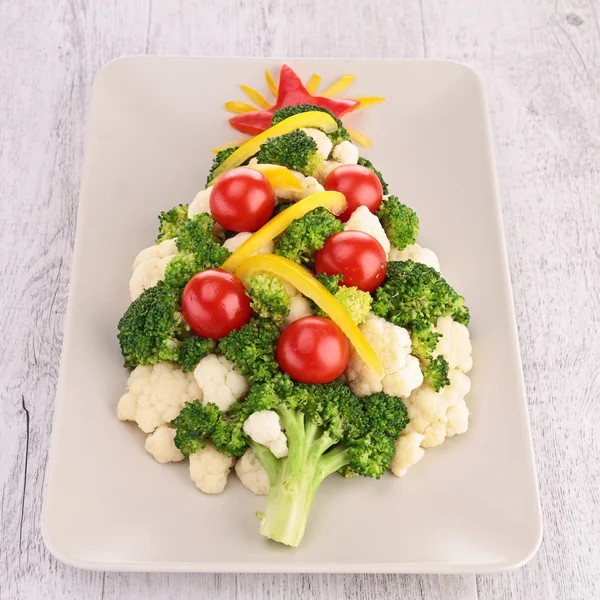
- Fill half your plate with vegetables — roasted Brussels sprouts, green beans, leafy greens or carrots.
- Choose whole grains, beans or sweet potatoes over refined starches.
- Season with herbs, olive oil and citrus for flavor without heaviness.
3. Keep portions moderate
Large holiday meals can leave anyone feeling sluggish. Thoughtful portioning can help you enjoy seasonal favorites without discomfort.
- Use smaller plates to encourage natural portion control.
- Consider splitting meals into two smaller servings spaced apart.
- Aim for balance rather than restriction.
4. Choose gentle cooking methods
Fried, overly rich or spicy dishes may be harder to tolerate, especially at large gatherings.
- Rely on steaming, roasting, slow-cooking or braising.
- Soups and stews are hydrating, nourishing and easy to digest.
- Keep heavy creams, excessive oils and butter to a minimum.
5.Practice mindful eating
With packed schedules and crowded tables, it’s easy to eat quickly and overlook fullness cues.
- Slow down, chew thoroughly and pause between bites.
- Plate your food intentionally instead of grazing.
- Notice which foods make you feel energized versus overly full.
Things to watch during the holidays
- Alcohol and ultra-processed sweets can lead to nausea or sharp changes in blood sugar.
- Staying hydrated can help prevent indigestion or constipation.
- If certain foods consistently cause discomfort, adjust recipes or choose alternatives.
What to know if you’re taking glp-1 medications
Some readers may be using GLP-1 receptor agonists — medications such as Ozempic, Wegovy, Saxenda or Trulicity. These medications mimic a natural hormone (GLP-1) that influences appetite, digestion and blood sugar regulation.
They often:
- Reduce appetite and decrease cravings
- Slow digestion, which stabilizes blood sugar
- Cause early fullness
- Trigger occasional nausea or GI discomfort, particularly with heavier foods
If you are taking a GLP-1 medication, the holiday eating tips above — lean protein, fiber-rich vegetables, smaller portions and gentle cooking — can help reduce side effects and support overall comfort.
The bottom line
Holiday meals don’t have to feel overwhelming. Simple choices — prioritizing protein and vegetables, adjusting portions, and paying attention to how foods make you feel — can help you enjoy the season while supporting your health. With a little planning and awareness, you can celebrate fully while still feeling your best.