
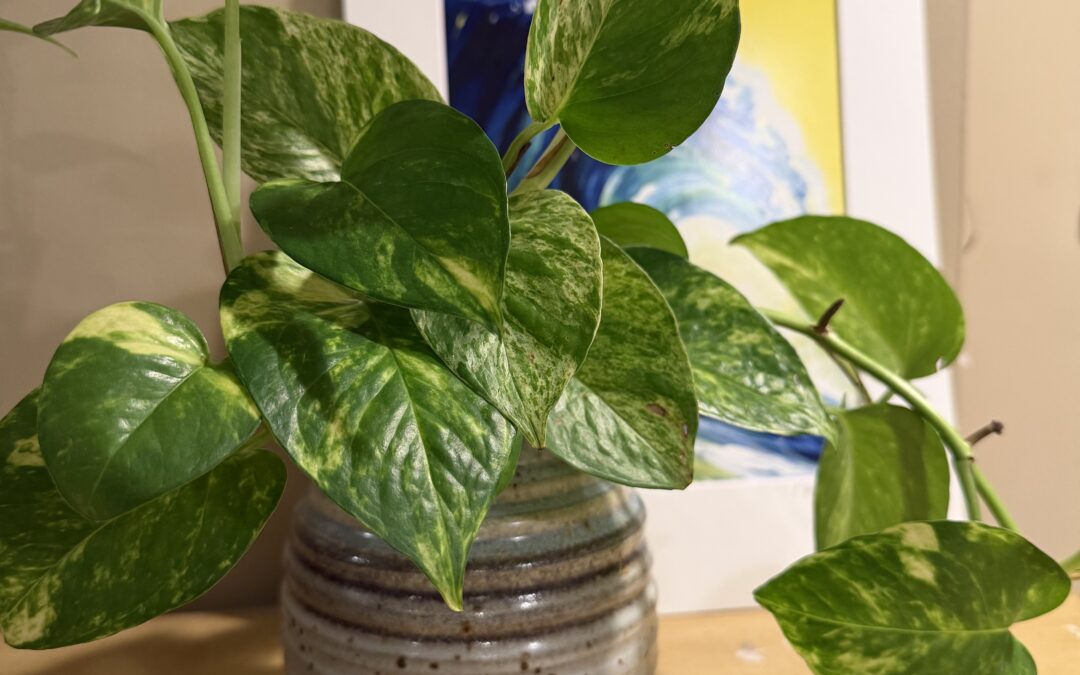
While January can be a time of new beginnings, it can also give us a case of the winter blues as we feel cooped up indoors, longing for the sun. Of course, staying active and eating healthy can help us shake winter depression, but bringing some color and life into your indoor world can also help lift your spirits while you wait for spring. Choosing plants with colorful leaves and flowers can further brighten our days when it’s dreary outside.
Perhaps you already have plants around your house that you either purchased as holiday decorations or received as gifts and are not sure how to care for them. Poinsettias can be grown year-round by giving them indirect sunlight and keeping them away from drafty windows. Though we think of poinsettias as Christmastime flowers, they are actually tropical, native to Mexico and Central America. We often have a tendency to overwater houseplants, but, for some reason, forget to water our poinsettias. If the soil is dry, place your poinsettia in the sink (with the decorative foil removed), and give it a good soaking, making sure that it has time to drain, so that it isn’t sitting in water. Christmas cactus is another popular plant to receive during the holidays. If you have been the proud recipient of one, enjoy the colorful flowers in shades of pink, red, white, or salmon. Christmas cacti are not desert plants, but tropical forest cacti, native to South America. Water every two weeks or when the soil is dry, but be sure that any excess water drains out of its container. These are long-lived plants lasting 20-30 years or more and, with proper care, may outlive their owners! They are also easy to propagate, using pieces of the succulent leaves.
Recently, I acquired a pink jasmine plant full of buds that will soon turn to heavenly-scented white starry flowers. Outside, my climbing star jasmine has graced my garden for years and fills the backyard with its intoxicating scent. This new plant will keep me company indoors and will require regular watering. Certain plants, such as jasmine, Boston fern, staghorn fern, and peace lily, prefer high humidity. This can be achieved by growing your plant in the bathroom, giving it a regular misting, or placing the pot on a tray filled with pebbles and water.
Now that I am trying to get better at houseplant parenting, I have gained some very unwelcome guests — dreaded fungus gnats. While sticky traps can catch the adults, you must treat the soil to eradicate the larvae. You can use a strained “tea” of mosquito dunks, a diluted hydrogen peroxide solution, and other treatments for the soil to stop the fungus gnat life cycle. The larvae thrive in moist soil, so allowing the soil to thoroughly dry between waterings can help. Consider bottom watering your plant by temporarily placing it in a bowl of water. Using this method instead of top watering will help the top layer of soil stay dry. Experienced plant parents have also suggested placing diatomaceous earth on the dry top layer of the soil or using sand or fine gravel to keep the adult gnats from laying eggs on the soil.
If the above suggestions sound more stressful than soothing, don’t despair. You too can grow houseplants with nothing more than a container of water — no soil required. Certain plants, such as pothos, philodendrons, spider plants, and monstera, can all be grown from cuttings in water. Simply change the water every week or so. You can also use a hydroponic fertilizer every so often for plant health. You can keep these cuttings in water, but as they grow roots, you may build your confidence and decide to pot them up in soil. With any luck, you will soon have more plants that you can take cuttings from to increase your stock or share with a friend.
As a word of caution, keep in mind that certain plants can be toxic when ingested. If you have young children or curious pets, you will want to keep them away from certain plants. While poinsettias can be toxic for dogs or cats, members of the lily family are highly poisonous to cats. You can refer to www.aspca.org for a full list of toxic and non-toxic plants.
We would love to hear from our readers. What are your favorite houseplants that bring you happiness as you wait for spring? Send your comments, questions, and anecdotes to shorelocalgardener@gmail.com.
Tammy Thornton lives with her husband, children, and crazy pets while enjoying a life of gardening, cooking, and going to the beach.