Christmas cookies are a cherished tradition in countless homes, filling kitchens with warmth, butter, and memories each holiday season. We bake them with our children, swap them with friends, and set out a plate for Santa without ever thinking twice. But have you ever wondered how this sweet custom began? The history behind holiday cookie-making stretches back centuries and may surprise you.
Christmas cookies are the result of a baking accident.
During the European Middle Ages, bakers had to gauge the temperature of their wood-fired ovens to bake bread properly. They would test small pieces of dough to see if their ovens were hot enough. These dough pieces were tasty and later became the original concept of what we now call a cookie.
The first known word for this new sweet treat originated from the Dutch word “koekje,” pronounced “koo-kuh,” meaning “small cake,” highlighting the cookie’s deep European roots and its long-standing tradition.
Initially, cookies were created for the most sacred, festive holiday: Christmas. However, due to the high cost of sugar, butter and spices, they were baked only for wealthy and royal families to accompany their holiday feasts. The rich flavors of cinnamon, nutmeg, molasses and ginger became closely associated with the Christmas season.
In the 1600s, Dutch and English settlers brought Christmas cookies to the New World. However, it wasn’t until the American Industrial Revolution in the 1900s that ingredients became affordable, turning cookies from a luxury into a holiday staple.
But nobody made Christmas cookies like my mother did. As a child, right after Thanksgiving, I eagerly watched my mom transform our kitchen into a Christmas cookie-baking haven.
After a long day’s work and ensuring we had our dinner, she would disappear into the kitchen, only to emerge as the creator of the best Christmas cookies you ever tasted.
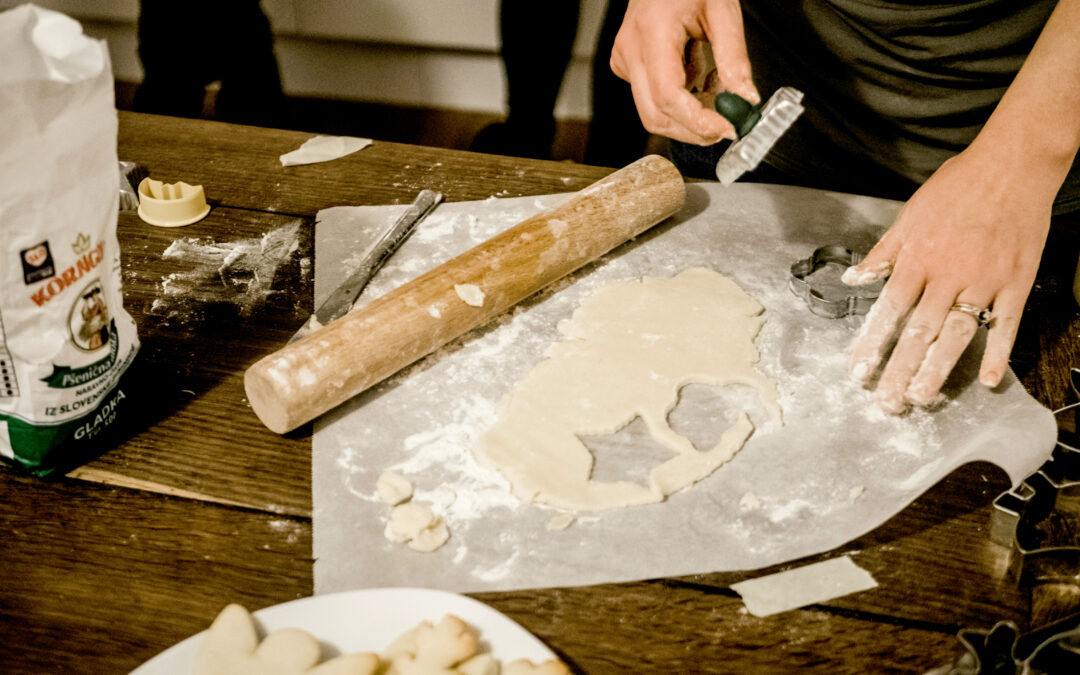
The kitchen table became “Dough Central.” My mom would work her magic, kneading several different-colored doughs for her sugar and butter cookies. Opening the refrigerator, you would see portions of red, green and yellow dough waiting to be used.
“Don’t touch that dough!” my mom would yell at me, knowing full well I was the dough tester.
A corner of our kitchen became the pizzelle station. There, my mom would set up a table with spoons and bowls, along with her trusty pizzelle maker. She had a knack for making pizzelles that were as light as a feather. The pungent aroma of aniseed filled the air.
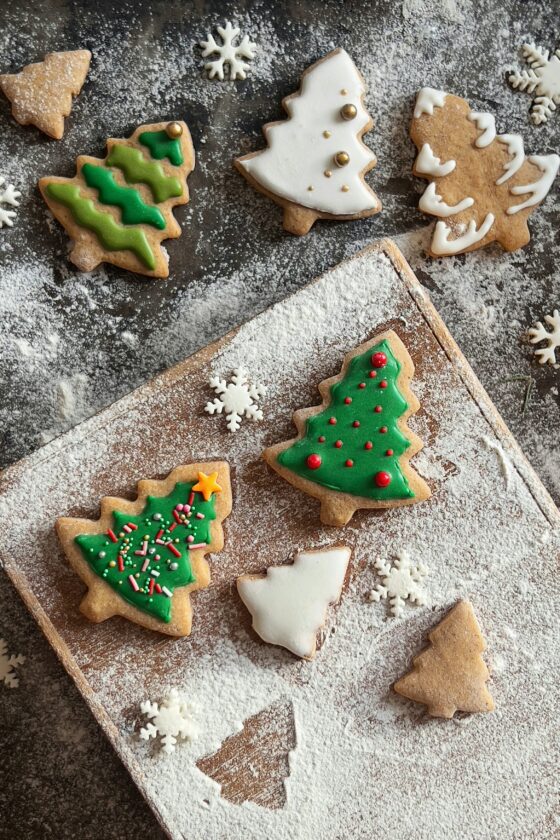
Between Thanksgiving and Christmas Eve, my mom would bake Christmas cookies well into the night. Her sugar and butter cookies melted in your mouth. There were snowflakes, candy canes, Christmas trees, snowmen and stars, all carefully made and stored in decorated holiday tins.
For me, my mom’s best creation was her rum balls rolled in coconut. They were heavenly: a unique blend of creamy and fruity, finished with a hint of rum – just enough zing to send your taste buds into ecstasy.
I have never been able to recapture that taste in any other rum ball. To this day, it’s a cherished memory of the flavors of Christmas from my childhood home.
One Christmas stands out in my memory. When I was a junior in college, I studied in Leuven, Belgium. I planned to travel throughout Europe during Christmas break.
The night before we were to leave, a huge package arrived from home. I was dumbfounded to see several holiday tins filled with my mom’s Christmas cookies. My eyes welled with tears as I shared the cookies with all my friends. What an unexpected treat. The arrival of those Christmas cookies in a foreign land warmed my heart.
I still picture my mom making Christmas cookies: the time she took to create these delicious treats, the way she carefully placed each batch onto the cookie sheets and the way I always enjoyed eating them. And that unforgettable package of Christmas cookies I received the year I was so far from home – some things you never forget.