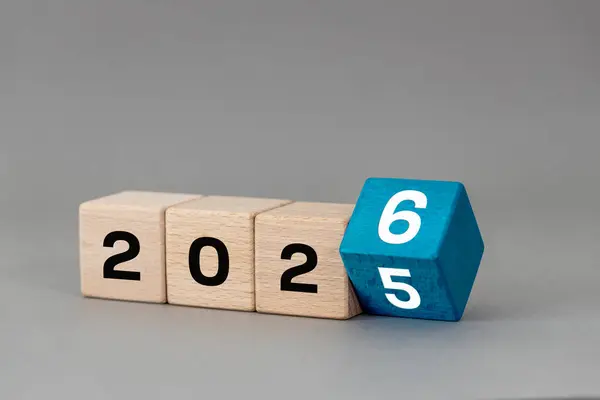
As the calendar flips toward 2026, we all breathe a sigh of collective, knowing dread. Make resolutions. Set goals. Decide who you’re going to be next.
But before you start writing a list for the new year, it might be worth doing something we don’t talk about enough: taking an honest look at 2025.
As Mel Robbins says, “How can we know where to go, if we don’t know where we are?”
Reflection isn’t about judging yourself or tallying wins and losses. It’s about noticing what actually shaped your days.
One helpful way to do that comes from The Power of Habit by Charles Duhigg, which breaks habits into three simple parts: cue, routine, and reward. You don’t need to be trying to “fix” anything, and instead just stay curious.
Start with the cues: What set your life in motion?
A cue is the moment that triggers a behavior. It might be your alarm going off, the end of the workday, a feeling of stress, or even the comfort of being home.
As you think back on 2025, notice the moments that tended to shape what came next. Maybe mornings felt rushed, or evenings were your time to finally exhale. Maybe certain emotions — excitement, anxiety, boredom — nudged you toward cigarettes or impulsive shopping.
Don’t get judgmental yet! There’s no right or wrong here. Cues simply help explain why we do what we do. Try asking yourself: “What moments or feelings showed up again and again in my days this year?”
Look gently at the routines you fell into
The routine is the behavior itself, otherwise known as what you did after the cue appeared.
This is where we’re often hardest on ourselves, especially at the end of the year. But routines exist for a reason. They help us cope, connect, rest, or get through the day.
Even habits you wish were different usually served a purpose. An extra drink at the end of the day helped you relax, or yelling at your partner released your anger. In order to change the habit, you need to look at what role it served in your life.
Notice the rewards you were really seeking
Every habit sticks because of a reward. That reward might be obvious, like enjoyment or relaxation, or subtle, like relief or a sense of control.
When we understand the reward, goal-setting becomes easier and kinder. We often think we want to change a habit, when what we really want is the feeling it gives us. Peace. Energy. Comfort. Connection.
If something didn’t stick this year, it doesn’t mean you failed. It might just mean the reward wasn’t strong enough, or another routine delivered that feeling more easily.
Ask yourself: What feelings did I reach for most this year?
My personal example
Earlier this year, I told myself I wanted to walk more and spend more time outside. It sounded simple, but it rarely happened on its own. Then I adopted a puppy, and everything shifted. His needs became the cue: a nudge at the door, a leash in my hand. Then, stepping outside, sometimes just for a few minutes, sometimes for a long walk around the neighborhood.
The reward showed up almost immediately. I felt calmer, more grounded, more present in my own life. What I’d been trying to accomplish with motivation alone took root once the structure was there.
It made me realize that lasting habits often form when the cue is built into our days and the reward is something we genuinely enjoy. Instead of asking ourselves to try harder, maybe the better question is: what can we invite into our lives that naturally helps us become who we want to be?
Now, and only now, think about 2026
Once you’ve reflected on 2025, resolutions can come from a much steadier place. Instead of starting from scratch, you can build on what already worked.
The habit loop reminds us that lasting change doesn’t require a complete overhaul. Often, the cue and reward stay the same — we just experiment with a new routine. A small shift is usually all you need.
Before you decide what to improve in 2026, take a moment to appreciate what carried you through 2025.
The new year will still be there tomorrow. Reflection, on the other hand, is what gives resolutions their footing.
So before you rush to become someone new, spend a little time getting to know who you were this year. You might be surprised by how much wisdom is already there.