
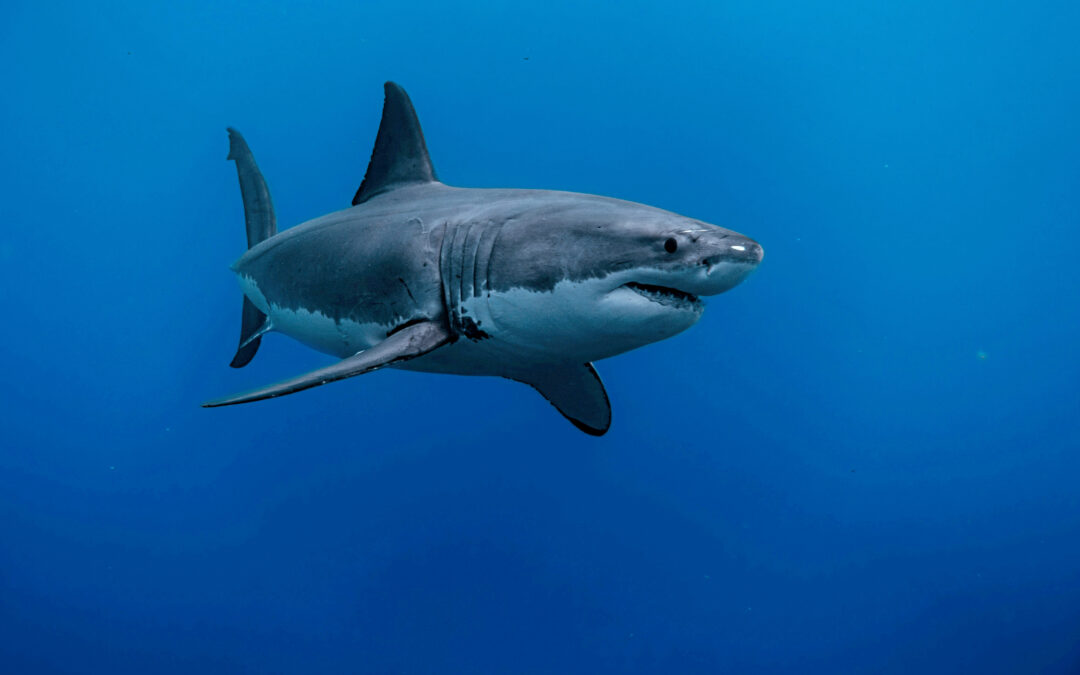
The annual migration of great white sharks along the East Coast is once again underway, and two recent sightings off South Jersey are serving as a reminder that these massive predators are a natural part of the Atlantic Ocean ecosystem.
A great white shark known as “Quint” recently appeared on researchers’ tracking maps just off the coast near Atlantic City. The shark is one of many marine animals monitored by OCEARCH, a nonprofit group that studies sharks and ocean migration patterns using satellite tracking technology.
Quint was originally tagged in July 2025 in Mahone Bay, Nova Scotia. At the time, researchers measured the shark at nearly 10 feet long and weighing close to 600 pounds. According to tracking data, the shark traveled rapidly north-to-south along the East Coast before appearing off New Jersey waters this spring.
The sighting came only weeks after another tagged great white, “Nori,” was detected in a similar area off the South Jersey coastline. Nori, a female shark measuring nearly 9 feet long, was also tagged and monitored through OCEARCH’s tracking program.
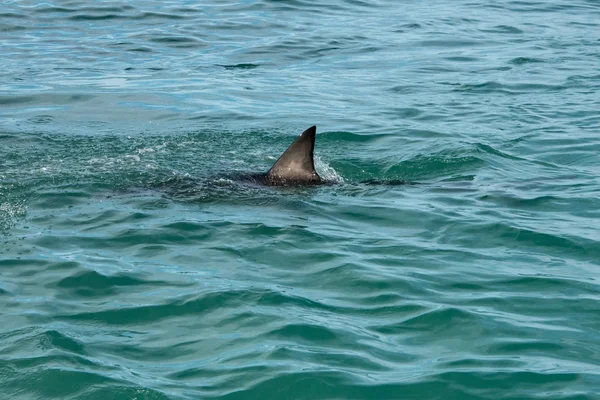
Marine experts say the return of sharks to waters off New Jersey each spring is completely normal. As ocean temperatures begin warming, many shark species migrate northward following food sources such as bunker, bluefish and other bait fish that populate coastal waters.
Despite the attention these shark “pings” generate online, experts stress there is no reason for alarm. Sharks have always inhabited the waters off the Jersey Shore, though advances in satellite tracking, drones and marine research now make their movements far more visible to the public than in decades past.
Shark attacks at the Jersey Shore remain extremely rare. Millions of people enter the ocean along the New Jersey coastline every summer, while documented shark bite incidents remain extremely rare. Marine biologists consistently note that sharks generally avoid humans and that most species found off New Jersey are not aggressive toward swimmers.
The famous 1916 shark attacks that inspired parts of the novel and film Jaws continue to shape public perception of sharks more than 50 years later. However, modern-day shark encounters in New Jersey are exceedingly unusual compared to the number of beachgoers enjoying the ocean each season.
Researchers say sightings like Quint and Nori are actually signs of a healthy marine environment. Cleaner waters and recovering fish populations have helped support marine life throughout the region, including apex predators such as great white sharks.
So while the return of the sharks may sound dramatic, scientists say it is simply another sign that summer at the Jersey Shore is approaching.