
Most people believe that tiring out a puppy means walking them several times a day and giving them as much exercise as possible. The thinking is that the longer the walk or the more exercise the puppy gets, the better behaved they will be. The puppy won’t bite as much or get into mischief. While a tired puppy can certainly be a good thing, strenuous exercise can actually harm a puppy’s developing body, so it’s important to be thoughtful about how exercise is introduced.
Puppies are not simply smaller versions of adult dogs. Their bones remain softer and are still developing until about 18 months of age. At the ends of puppy bones are growth plates, which are very soft and need time to calcify, while their ligaments tend to be stronger. A ligament pull in a puppy can injure the growth plate areas, and those injuries can lead to improper growth and future physical problems as the dog ages. One of the biggest risks to growth plates is repetitive, long walks on hard surfaces such as sidewalks or roads.
A common complaint I hear from puppy owners is that their puppy will suddenly sit down and refuse to walk any farther, which is often mistaken for stubbornness. While that can occasionally be the case, it is more likely your puppy is telling you they have walked too far, and you should listen to them. Puppies also do not yet have the cardiovascular development needed for long-distance exercise at a fast pace, so they can become winded quickly.
This does not mean I never walk my own 3½-month-old puppy, and I absolutely encourage people to take their puppies out into the world to experience new environments and begin leash-training as early as possible. The key is balancing exercise, training and play so your puppy does not overstress their soft bones and growing body.
When walking my puppy, I focus more on length of time rather than distance. Before even going on a true walk, you can practice leash skills right in your yard for five to 10 minutes. This helps both you and your puppy learn proper leash manners. I generally add a few minutes of activity for each week of my puppy’s age.
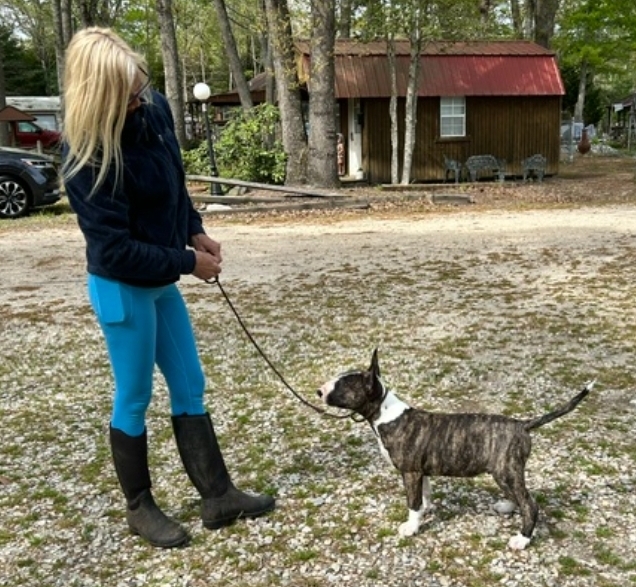
Last week, Bento visited the EHT Nature Reserve for the first time. For a 3½-month-old puppy, a 10-minute loose-leash walk — where I rewarded him for checking in and for the steps he was taking — completely wore him out. I also keep him on packed dirt or grassy areas and avoid sidewalks or concrete whenever possible. While beach sand may seem ideal for dogs, it can actually be difficult for puppies to trudge through and may put extra stress on their ligaments, so it’s important to be mindful of that.
Instead of taking Bento on long walks, I opt for short five- to 10-minute outings and spend more time practicing leash manners at home. If he gets tired during leash practice in the yard and plops down, it’s much easier to simply remove the leash than carry a 35-pound puppy back to the car.
No matter the breed or mix, be cautious about overexercising young puppies. When the urge to tire them out with long hikes strikes, try combining short bursts of exercise with mental stimulation to achieve the same goal.
For questions, email heidi@fouronthefloordogtraining.net.
Heidi Clayton started Four On the Floor Dog Training to provide positive, reward-based dog training in South Jersey. She breeds, trains and shows bull terriers under the SoraBully’s Bull Terriers kennel name. Email questions to heidi@fouronthefloordogtraining.net or learn more at https://fouronthefloordogtraining.net