
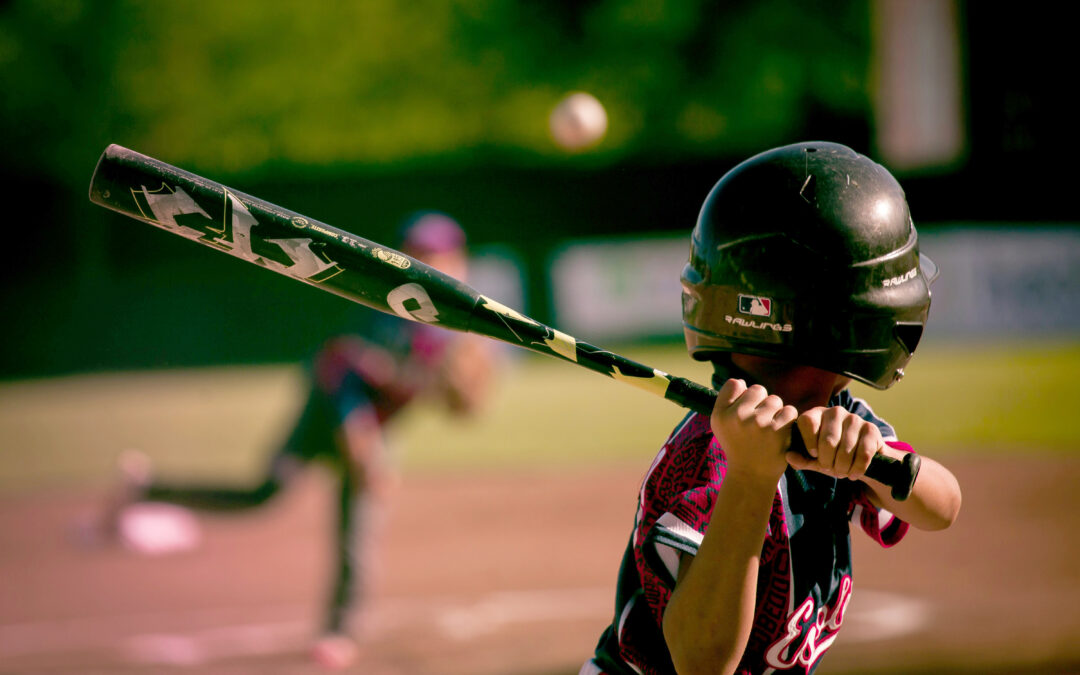
My dad’s voice was the loudest part of every game.
Sports have been a part of my life since elementary school. I played football, baseball, street hockey, basketball and tennis. Through all of them, one thing followed me: performance anxiety.
During my early days of any sport, no matter how hard I tried, I wasn’t as talented as the other kids. Even at 9 years old, the pressure didn’t come from the game, but who was watching.
Throughout my entire playing days, my dad has always been by my side. Sometimes to support me, sometimes to push me.
“Adjust your hips,” he’d say from behind the batting cage. “Lower your shoulders and swing.”
My dad has always been a baseball fanatic, and when my brother, Anthony, and I picked up the sport, he wanted to coach us. He coached our little league teams and was always there on the sidelines, offering tips and encouragement. Still, Anthony and I weren’t exactly standout players.
I constantly struck out — my gloves slipping, my shoulders not dropping enough. As I walked back to the dugout, I already knew my dad wasn’t watching. It wasn’t just baseball, every sport felt that way.
It’s not just younger players like me who deal with sports anxiety.
Olympic athletes have faced it too — Michael Phelps, Simone Biles and Venus Williams have spoken openly about the pressure that comes with competition.
As Williams put it in 2024, “Just because you go on the court and have your game face on, doesn’t mean you actually feel that way.”
Even at the highest level, that pressure doesn’t disappear. Athletes as accomplished as Williams, Phelps and Biles still experience anxiety. Expectations — from fans, others and themselves — follow them everywhere.
When I first played football, I was on the pee-wee level. I couldn’t block or tackle my teammates.
For those reasons, I got moved to taxi level — a lower level for younger players who needed to develop more. With more playing time, I started to relax and improve. I went from undersized to racking up multiple sacks a game.
Loving the game sometimes made it worse. It may also explain why athletes, including myself, feel that pressure.
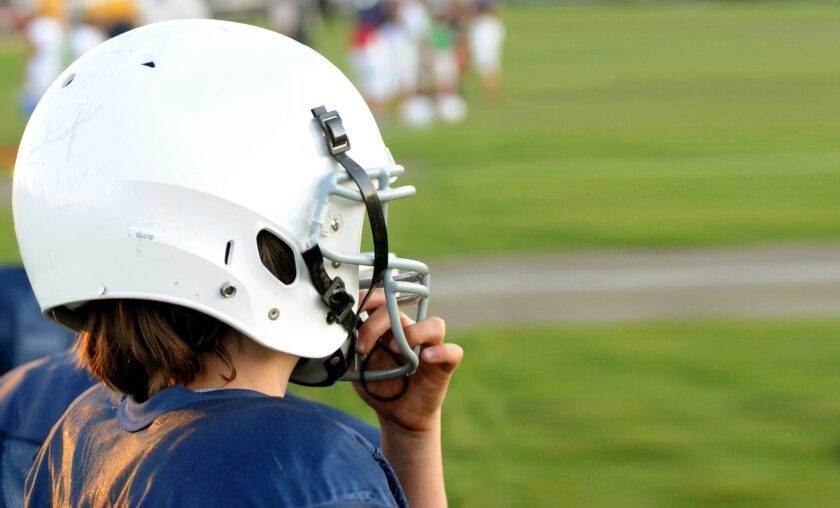
According to a 2025 study by the biomedical database PubMed, athletes who define themselves by their sports are way more likely to feel anxious, often because their sense of identity becomes closely tied to their performance.
Tennis was different for me. For football and baseball, my dad was always there. During tennis, he never showed up, but I still played like he was watching.
The more I got into tennis, the more I reflected on every blunder. That’s where performance anxiety becomes more than nerves.
That pressure doesn’t only affect me.
In today’s youth sports, kids are hardened with expectations when they should be learning teamwork, building confidence and improving their well-being.
A 2025 report by BSN Sports, has found that parental pressure is linked to higher stress levels and lower enjoyment, sometimes creating an environment where anxiety thrives.
For many athletes, the pressure doesn’t leave after a game. It follows us home and into our thoughts.
Naomi Osaka, a four-time grand slam winner, has opened up about her depression. Osaka admitted in a now-deleted Instagram post that she’s been dealing with “bouts of depression” since 2018.
My experience isn’t unique. In fact, there’s likely been millions of athletes who’ve felt what I have. We’ve felt that from the sidelines to the car rides, there was always something expected from us.
For years, I thought the pressure came from my dad, but nothing changed when he wasn’t watching.