
Drink Up!
Tuscany, located in the central region of Italy, has been referred to as the heart of the country. Florence, the capital of Tuscany, is home to many priceless treasures from the Renaissance, including Michelangelo’s “David,” the beautiful Duomo Basilica, and works from Botticelli that are now housed in the Uffizi Gallery. Beyond the artwork, Tuscany provides a breathtaking landscape, a mouthwatering cuisine, and wine that is arguably the most famous wine from all of Italy. Chianti Classico, Vino Nobile di Montepulciano, Brunello di Montalcino, Tuscana or Super Tuscan wines all find their roots in Tuscany and all stem from just one grape: Sangiovese.
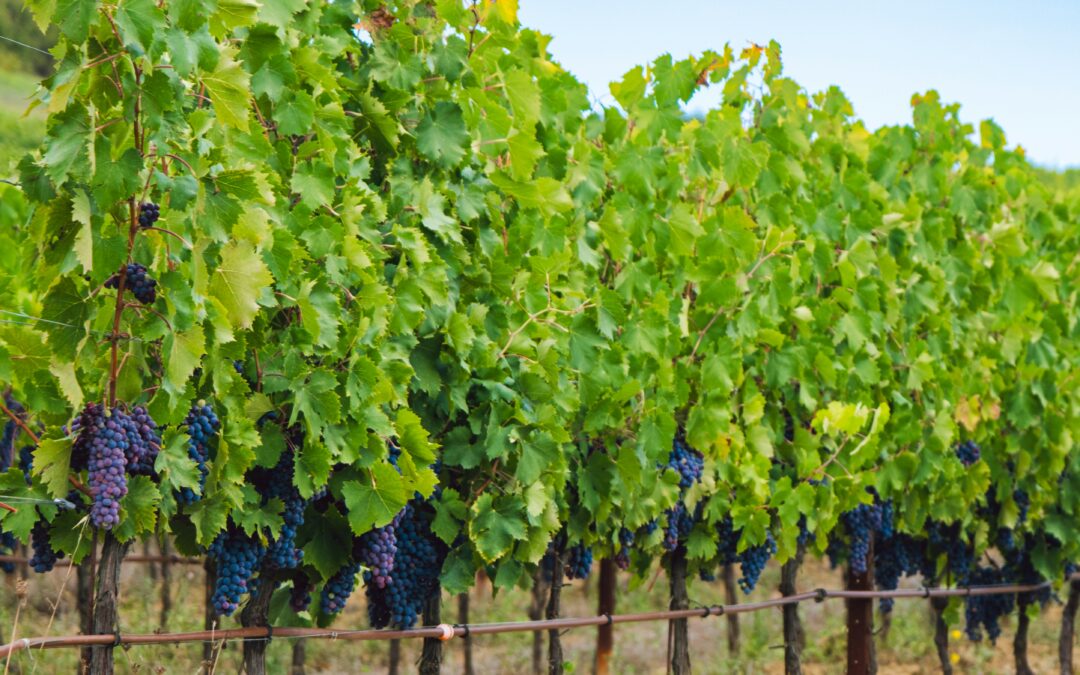
According to legend, Sangue di Giove, translated to “the blood of Jupiter,” was the original name for the Sangiovese grape. It is the most cultivated grape in Italy. In fact, 98% of Sangiovese comes from Italy, with the overwhelming majority of it grown in Tuscany. Interestingly, the soil there is awful. I’m talking sandy, rocky soil composed of clay and limestone that is terrible for many crops but somehow excellent for the Sangiovese grape. Winemakers often say that vines that struggle the most produce the best wine; that must be the case for Sangiovese! The Mediterranean climate there features warm days and cool nights, and yields light rain in early spring and late fall but little to none in summer. Yet, the gentle hillsides of Tuscany create perfect terrain and the sunny summer days allow for a relatively long growing season. Add to that over 3,000 years of winemaking tradition, and you can see how Sangiovese has become the soul of the wines from this region.
Many fans of Italian wines are familiar with the Chianti and Chianti Classico varietals, but may not have known that the primary grape within them is Sangiovese. In fact, Chianti and Chianti Classico are subregions of Tuscany, or DOCs (denominazione di origine controllata). For a wine from this region to have the name “Chianti” on the label, the grapes used must be grown in the DOC and must be 70% Sangiovese grapes. To be a higher-valued Chianti Classico wine, the grapes must be grown in that much smaller DOC and must be made from at least 80% Sangiovese. Additionally, the growing, harvesting, wine-making, and aging traditions of these regions must be certified.
A wonderful example of a Chianti is the Renzo Masi-Chianti Rufina Riserva. This medium-bodied red wine features notes of tobacco, cherry, cedar, spice and almonds that are classically found in great wines from the region. For an excellent, yet reasonably priced Chianti Classico, reach for the Casalle Dello Sparviero Chianti Classico. The elevation of the Casale Dello Sparviero vineyard is slightly higher than many of the others in the DOC, resulting in a higher acidity level. That acidity manifests as a freshness in the wine that, along with the classic flavors of red fruit, tobacco, spice, and balsamic notes, gives this wine a notable boldness for a medium-bodied wine and an intense ruby red color. In addition, this winery has been 100% organic since 2019 and is fully committed to sustainable farming practices.
If you would like to splurge a little, try the Fontodi Chianti Classico. This winery is also organic and uses only natural growing methods and ages the wine in 225-gallon oak barriques for 18 months to enhance flavors of vanilla, caramel, and smoke.
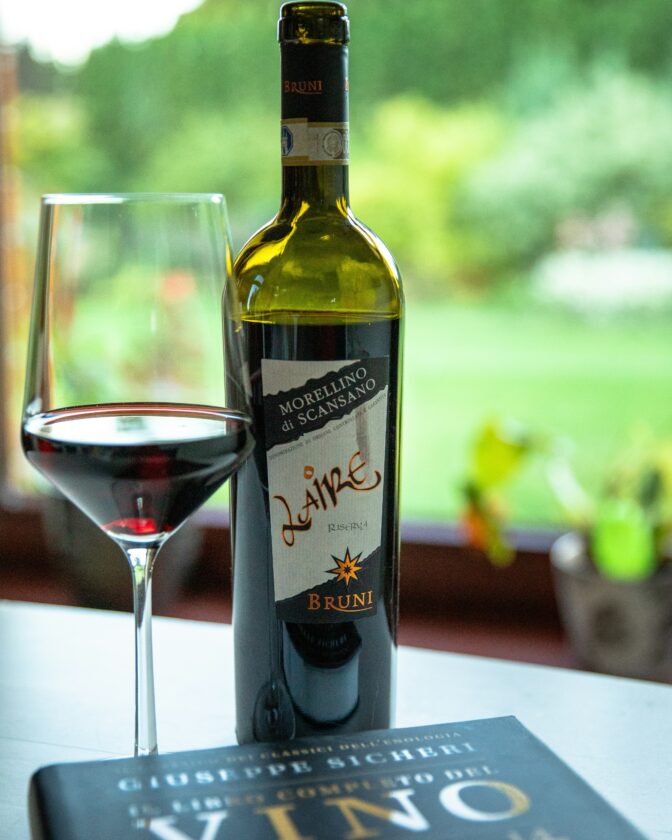
Tuscana, or Super Tuscan, wines also utilize the Sangiovese grape. These wines do not require a specific percentage of Sangiovese, so the concentrations vary tremendously. For a 100% Sangiovese wine, try the La Gerla Sangiovese from Montalcino. Or, for an organic Tuscana wine that is predominantly Sangiovese and Cabernet Sauvignon, try the Castello di Volpaia-Citto. Tuscana wines may be less regulated than Chiantis and Chianti Classicos, but they are very reasonably priced, typically a little fruitier in flavor, and are still outstanding wines to complement an Italian meal.
Now let’s talk about Montepulcianos. There is the Vino Nobile di Montepulciano, and its Tuscan cousin, the Montepulciano di Abruzzo. The Vino Nobile is made from Sangiovese, while the Montepulciano di Abruzzo is made from the thicker-skinned Montepulciano grape. Similar to Chianti DOC wines, the Vino Nobile must have a minimum of 70% Sangiovese. However, this DOC requires a minimum of two years of aging, with at least one of those years in oak barrels, prior to sale. For an excellent example, try the DeiVino Nobile di Montepulciano. This vibrant wine has bright acidity and gentle tannins with aromas of ripe red fruit and spice, and flavors of dark ripe berries, notes of plum, and hints of earthiness from the extended aging.
Perhaps the most valued wines of Tuscany are Brunello di Montalcino wines. This DOC requires that the wine be made with 100% Sangiovese grapes grown within this subregion. Many consider this to be Sangiovese at its finest. In addition to the concentration of Sangiovese, the wine must be aged for at least five years (or six, for Riserva), with a minimum of two years in oak barrels to be certified as a Brunello di Montalcino DOC wine. Many of these wines lean toward pricey, but the La Gerla Brunello di Montalcino is a very reasonably priced and excellent wine. It embodies the classic characteristics that make these wines so regarded: intensive and elegant aromas with floral and mushroom notes, pleasantly tannic mouthfeels, and a lingering palate of dried flowers and wild berry fruit.
I hope you enjoyed this Tuscan adventure and this introduction to the many wines of Sangiovese. If you enjoy Italian wines and would like to taste and learn much more, I invite you to join me for my three-week class entitled, “Wine Foundations Italy,” starting on Tuesday, April 28. For details, go to passionvines.com and click on the Events Calendar. As always, contact me at dsetley@passionvines.com or stop by the Somers Point store if you have any questions or comments. Until next time, happy wining!
David Setley is enjoying his retirement from higher education as a wine educator and certified sommelier at Passion Vines in Somers Point, New Jersey.