
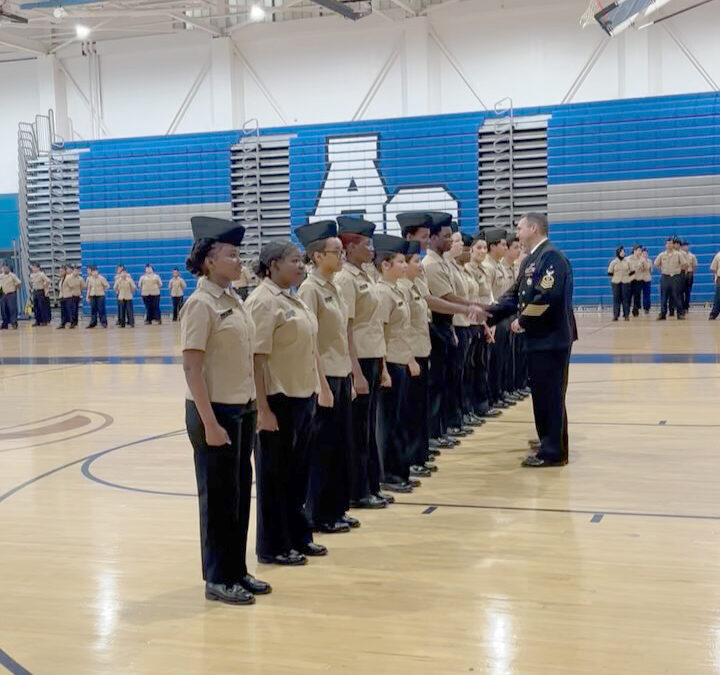
Atlantic City High School held its annual ROTC military inspection Thursday, March 12, giving students (cadets) a structured environment to develop leadership, discipline and real-world skills beyond the traditional classroom.
The ROTC (Reserve Officers Training Corps) program, operates as a free elective course offered during the regular school day. Cadets meet three to four times a week, combining academic instruction with physical training, hands-on exercise and extracurricular activities. The course is open to students of all grade levels, emphasizing personal growth while exposing participants to a variety of post-graduation pathways.
Instructor Jesse Green, a naval science teacher and former U.S. Navy nuclear machinist, leads the program with a focus on structure and accountability. Green said the military-style framework helps reinforce habits that extend beyond the classroom.
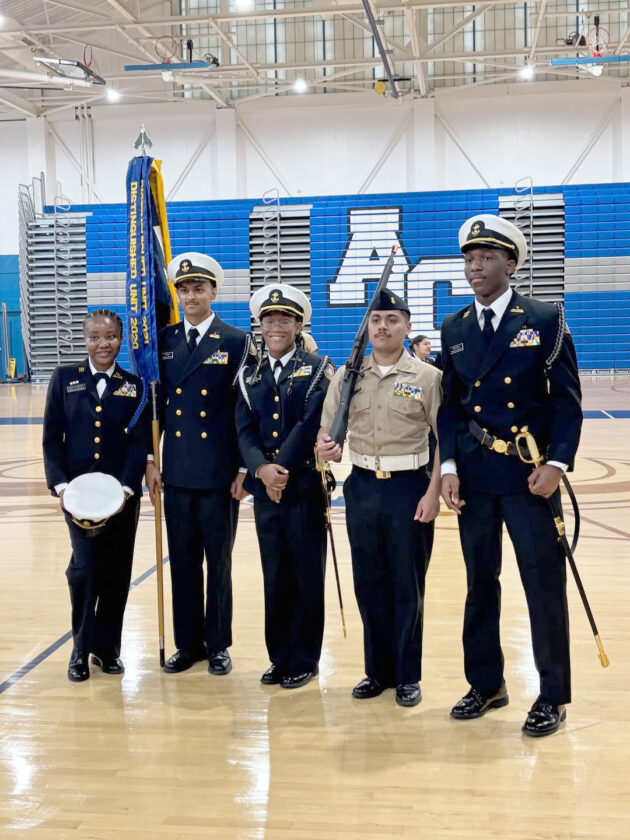
“One of the biggest things we teach here is discipline and self-control; those are skills that apply to anything later in life,” Green said.
A key component of the program is its weekly uniform inspection. Regardless of whether the cadets have class that day, they are required to report either before school or during lunch for inspection. Green said the routine reinforces responsibility and attention to detail, traits that are essential in the military and post-high school careers.
Zuzanna Turska, a 2025 Green graduate, was so captivated by seeing students in uniform each week that she reached out to learn more and eventually joined the ROTC program.
In addition to weekly inspections, cadets participate in quarter drills, which include marching exercises designed to build teamwork and communication. Cadets are encouraged and expected to meet specific fitness guidelines, including a set number of push-ups, timed planks and running a mile within a designated time goal. Cadets who meet these standards are honored with a ribbon to be worn on their uniform.
While the program maintains a rigorous structure, it also incorporates creativity. “Fun workout days” are built into the curriculum, encouraging cadets to think outside the box about physical activity. Green said a water balloon fight is one example that has been used as a “fun workout” and a way to balance between discipline and creativity.
Beyond physical and leadership training, the ROTC program places a strong emphasis on preparing students for life after high school. Towards the end of the academic year, cadets receive instruction on practical skills such as resume writing, interview techniques and professional communication.
Green said last year he introduced a lesson on salary negotiation, giving the cadets a preview of workplace expectations, and teaching them self-advocacy. “We want them to leave here prepared, no matter what path they choose,” Green said.
Although ROTC is rooted in military principles, participation does not require students to pursue military service after graduation. Instead, the program exposes cadets to a range of options, including college, trade schools and the armed forces. Last year, the cadets visited a trade school to explore hands-on career opportunities and gain insight into alternative education pathways.
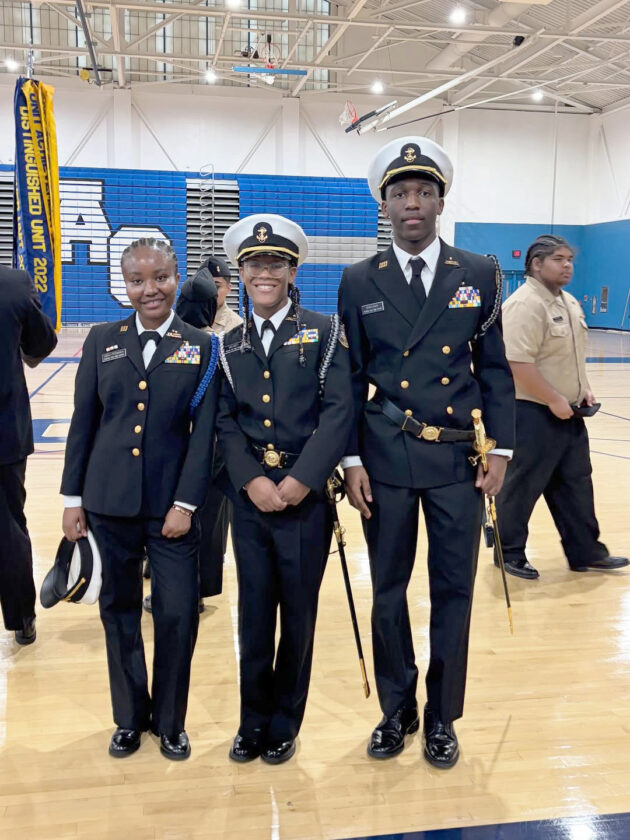
For those interested in military service, Green connects the cadets with recruiters and guides the process.
“The goal is to show them that there are many ways to succeed; we want them to continue their education and find what works best.”
Turska credited the program’s discipline with helping her develop into a strong leader. This foundation led her to a two-week leadership program in Rhode Island, where she further sharpened her skills and connected with peers. Turska looks back on her experience with pride, reflecting on the growth she achieved through the program.
Green maintains contact with former students after graduation, tracking their progress and inviting them back to speak with current cadets. He recalls two alumni – Turska, who is now in the U.S. Coast Guard Academy in New London, Connecticut; and another student who just earned their pilot’s license. Their visits help encourage cadets by showing them the real-world impact of the program and the possibilities ahead.
Central to Green’s teaching is a philosophy that he carries from his own military experience.
“Attitude is a choice. It is not always an easy choice and sometimes it’s the hardest choice you make that day, but it is always a choice.”
As the ROTC program continues to grow at Atlantic City High School, it remains an option for students seeking structure, challenges and preparation for the future. Green encourages any student with a slight interest to consider joining, noting that the program may not be for everyone, but it offers valuable opportunities for growth for those who become part of it.
“This program pushes students out of their comfort zone,” he said. “It teaches them how to work hard, discipline and skills they will use for the rest of their lives.”