
We don’t think much about medical advances, until they hit closer to home. It is the phone call after a test, the scan we are waiting for, the family member hoping for better options, or the simple desire to stay healthier as the years go by. That is why the most encouraging breakthroughs expected in 2026 are not the ones that feel flashy or futuristic. They are the ones that quietly make care better, faster, and more supportive in real life, when we need it most. They will show up in everyday moments, a blood test that nudges someone to follow up sooner, a scan that gets reviewed more quickly, a medication that is easier to take, or new tools that quietly give doctors more time to focus on people, not paperwork.
One of the biggest storylines this year is cancer detection by blood test. We are going to hear more about multi cancer early detection tests (MCED), often called liquid biopsies, that look for cancer signals in the bloodstream. Beyond the simplicity of a blood draw, the hope is that these tests could help detect certain cancers earlier, especially the ones that do not have reliable screening tests today. However, the question that matters most remains the same, does this truly increase the number of people diagnosed at an earlier stage?
That is why so many eyes are on large studies like the NHS Galleri trial in the United Kingdom. Researchers are trying to learn whether adding a blood test to the mix can help find more cancers earlier, in a way that truly changes outcomes. If the results are encouraging, it could shape how health systems think about screening in the future, not as a replacement for mammograms, colonoscopies, or other recommended tests, but as something that might someday work alongside them.
Here in the U.S., there are also large studies underway looking at how these blood tests perform in real world settings when they are added to routine screenings. It is important to note that a positive blood test does not equal a diagnosis. It usually means more steps, imaging, follow up, sometimes a specialist visit, and the need to confirm what is actually going on. In 2026, we will also hear more about how doctors and patients handle these results, getting the potential benefit of earlier detection without creating unnecessary fear.
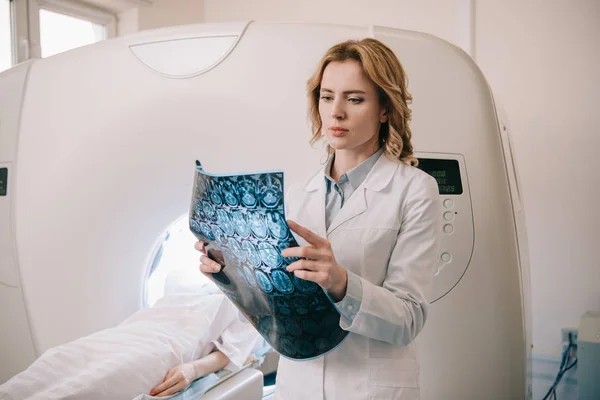
Another area that is moving forward quickly, and may affect more of us than we realize, is medical imaging. AI in radiology may sound futuristic, but it is already here. In many cases, it helps care teams spot urgent findings sooner and reduces the chance that something gets overlooked. Much of this happens behind the scenes, so we may never “see” it as a patient, but we might feel it in shorter waits, faster decisions, and clearer next steps when time matters.
Medications are also evolving in a way that is very personal. If the last couple of years were about weight loss medications becoming part of mainstream medicine, 2026 may be the year we stop thinking of them as injections only. Weight loss pills are moving into the spotlight, and that matters because for many people, a pill is simply easier to take and easier to fit into real life. Coverage, cost, and long-term results are still big questions, but the direction is clear, more options are coming, and that often means more chances to find the right fit.
With new advancements, we may have more choice, more flexibility, and potentially fewer barriers in supporting our health and wellness. At the same time, it is important to keep expectations realistic. We are still learning who benefits most, how to minimize side effects, and what long term maintenance truly looks like. For some people, these medications can be life changing. For others, they may not be the right match. In 2026, we should get clearer answers as more research is published and more real-world data adds to the picture.
Then there is the category that always feels like the future arriving early, gene therapy and gene editing. For families facing rare diseases, progress here can mean everything. There is growing attention on how to move research forward safely, how to evaluate treatments when patient populations are small, and how to make sure breakthroughs do not remain out of reach because of cost or access. The science can sound complicated, but the heart of it is very human. It is the idea that a disease once considered untreatable might become manageable, or even preventable, for certain patients.
Finally, keep an eye on Alzheimer’s research. The story here is not just one miracle drug, it is the steady push to do better, to improve how treatments reach the brain, and to explore combinations that may work more effectively over time. It is a reminder that progress often comes in steps, not lightning bolts, and those steps still matter for families living with memory loss every day.
The most encouraging theme of 2026 is that progress that feels practical. The headlines can sound exciting, but the best breakthroughs are the ones that help people live longer, feel better, or get answers sooner, without creating new confusion or unnecessary stress. So, as we watch these advances unfold, the questions to keep in mind are simple. Does this improve real outcomes, for real people, and what are the tradeoffs? If the data keeps moving in the right direction, these developments will not just make news, they will make a difference in everyday lives.
Robin is a former television reporter for NBC News 40. She currently hosts a podcast and radio program called Living Well with Robin Stoloff. It airs Sundays at 10 AM on Lite 96.9. You can email Robin at livingwellwithrobin@gmail.com