

“Baby, it’s cold outside,” and our skin knows it. As winter weather sets in, even the most cheerful holiday melodies can’t hide the fact that cold air and dry indoor heat often leave our skin feeling dry, tight and far from calm and bright. Winter at the shore can be beautiful, but it can also be surprisingly rough on our skin. The good news is that with a few simple tweaks to our routine, we can help our skin stay comfortable, healthy and glowing all season long.
Cold air outdoors and heated air indoors create a perfect recipe for dryness. As the humidity plummets, we lose moisture in our skin. Add in long, hot showers (I am guilty of those on a chilly morning) and our skin can quickly feel parched and irritated. Once we understand why it happens, it is easier for us to make small changes that really help.
Hydration is our first line of defense, and it starts with what goes into our bodies. Many of us drink less water in winter because we do not feel as thirsty as we do in July, but our skin still needs fluids to function well. Keeping a mug of herbal tea or a water bottle nearby is an easy habit we can build into our day. Foods rich in omega 3s, like flaxseeds, walnuts and salmon, support the skin’s natural barrier, helping it hold onto moisture. Seasonal produce such as citrus fruits, winter squash and leafy greens is loaded with vitamins A and C, which help with repair and renewal. We can think of it as moisturizing from the inside out.
What we use to cleanse our skin matters too. Harsh soaps can strip away our natural oils, leaving our skin even more vulnerable to dryness and itching. Gentle, fragrance-free cleansers are usually our best bet. Natural options such as oatmeal-based washes or a little raw honey mixed with warm water can cleanse without over drying. Honey is a natural humectant, which means it draws moisture into the skin rather than pulling it away, something our winter skin truly appreciates.
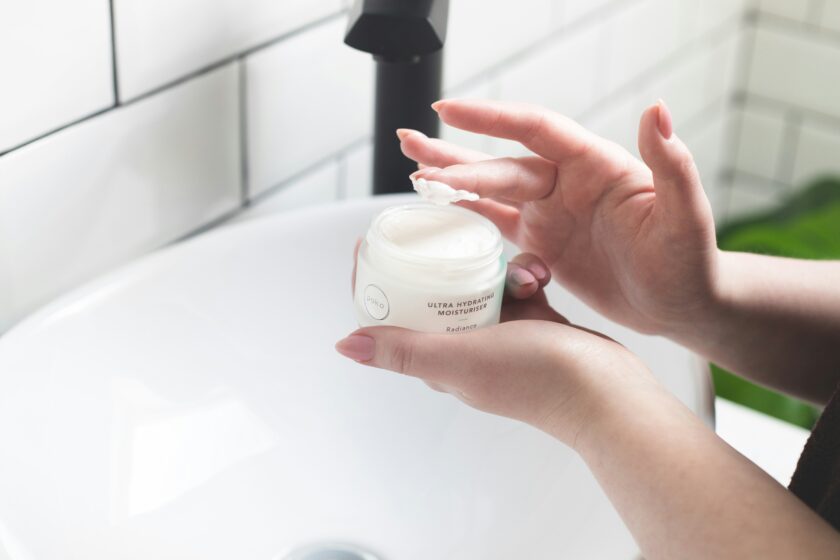
Moisturizing is the golden rule of winter skin care. Natural oils and butters can be surprisingly effective and often outperform synthetic creams when it comes to deep hydration. Coconut oil is light and easily absorbed. Shea butter is rich, making it great for rough spots like our elbows, knees and heels. Jojoba oil closely resembles skin natural oils and helps balance moisture. Olive oil from our kitchens can be massaged into dry hands or cuticles before bed. The key is to apply our moisturizer right after bathing, while our skin is still slightly damp, to lock in hydration.
Exfoliation has its place, but it is easy to overdo it in winter. Dead skin cells tend to build up more quickly in the colder months, leaving our skin looking dull. Gentle exfoliation once or twice a week can help our moisturizers work better. We can create simple, natural alternatives to expensive products. Ground oats mixed with yogurt make a soothing scrub, while sugar and honey make a simple, effective exfoliant. Dry brushing with a soft bristle brush can also help stimulate circulation. It is important to listen to our skin. If it becomes red, sore or more irritated, that is our signal to scale back.
Our hands and lips are often the first to feel the effects of winter’s chill. Lips do not have oil glands, so they dry out and crack easily in cold, windy air. Our hands are constantly exposed to the elements and frequent washing. Natural lip balms with beeswax, cocoa butter or lanolin tend to protect and nourish better than many of the petroleum based products. For our hands, keeping a small tube or tin of cream, shea butter, or almond oil in our bag or by the sink makes it easy to apply after washing. Before bed, we can try a thick layer of moisturizer and slip on cotton gloves, for noticeably softer hands the next morning.
Another simple way we can pamper our winter skin is by sleeping on a silk pillowcase. It’s a good idea year-round, but especially during the blustery winter months. The smooth fabric reduces friction, so our faces do not get tugged and creased throughout the night. Silk is also less absorbent, which means more of our nighttime moisturizer stays on our skin instead of soaking into the pillow. It is not a miracle cure for dryness or wrinkles, but it can be a small, cozy upgrade that supports everything else we are doing to care for our skin in the colder months.
The air in our homes also plays a big role. Indoor heating systems dry out the air, and our skin feels it. A humidifier is a great tool to restore moisture to the environment. Placing bowls of water near radiators or adding a few houseplants can also increase humidity in our homes.
Treating ourselves to a weekly at-home mask can feel like a mini spa day and give our skin an extra boost. We can mash half an avocado with a little olive oil for deep hydration. A banana blended with honey makes a soothing, vitamin-rich mask. Plain yogurt can calm irritation and provide gentle exfoliation thanks to its natural lactic acid. These simple fixes are inexpensive and easy to make. Plus, we know exactly what we are putting on our skin. There are no harsh ingredients that we cannot pronounce.
A few lifestyle habits go a long way. Shorter showers with lukewarm water are much kinder to our skin than long, steamy ones. Wearing a soft, breathable layer under wool or other rough fabrics can help prevent irritation. Even in winter, sunscreen is still important since UV rays are present year-round, and snow or water can reflect sunlight and increase our exposure. A mineral sunscreen with zinc oxide is a good, natural option for sensitive skin. Today’s tinted versions no longer leave the pasty white cast of zinc oxide sunscreens of years ago.
Winter does not have to mean dull, flaky, uncomfortable skin. With hydrating foods, gentle cleansers, nourishing oils and a few simple DIY rituals, caring for our skin can become part of a cozy winter routine. Let’s wrap ourselves in a soft sweater, sip some green tea, switch on the humidifier and give our skin the extra love it deserves. When spring finally arrives, we won’t just be ready for the sunshine, we will be glowing from the inside out.
Robin is a former television reporter for NBC News 40. She currently hosts a podcast and radio program called Living Well with Robin Stoloff. It airs Sundays at 10 AM on Lite 96.9. You can email Robin at livingwellwithrobin@gmail.com