
Winter offers some of the most powerful anti-inflammatory foods of the year—nutrient-dense, antioxidant-rich, and naturally warming. Seasonal produce like kale, Brussels sprouts, ginger, and turmeric shine in colder months and deliver compounds shown to reduce inflammatory markers such as CRP and oxidative stress.
Winter is the perfect time to lean into foods that warm the body, strengthen immunity, and calm chronic inflammation. Cold weather often increases joint stiffness, fatigue, and inflammatory flareups, making dietary choices even more important. These five seasonal superfoods stand out for their evidence-based anti-inflammatory benefits and versatility in winter cooking.
1. Kale: The Cold-Weather Antioxidant Powerhouse
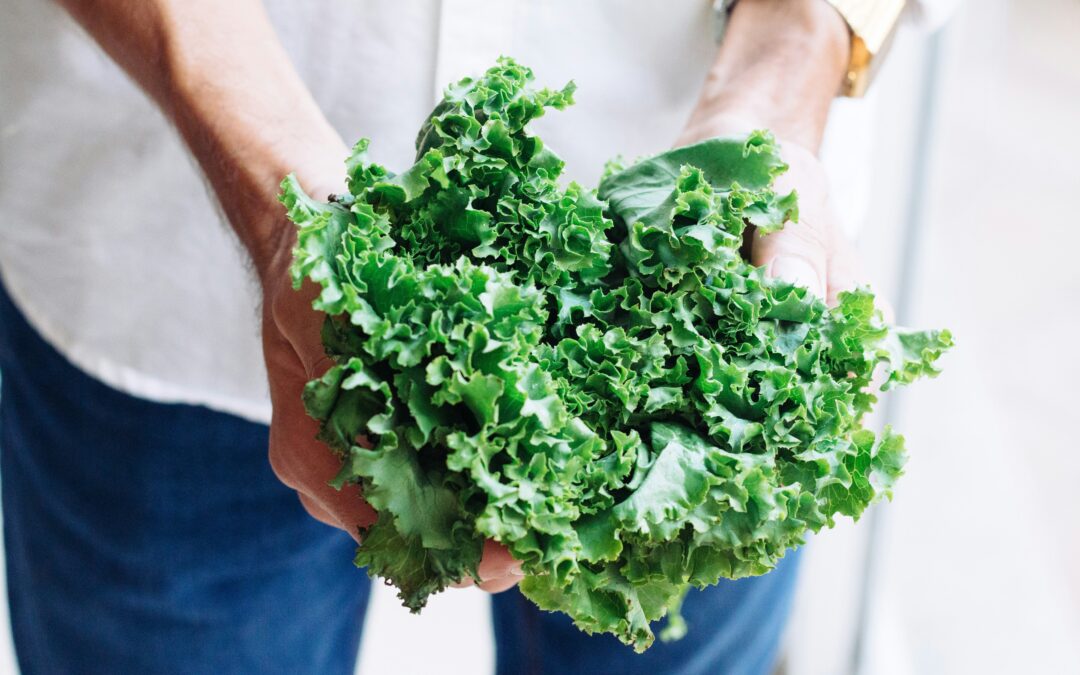
Kale thrives in winter—frost actually makes it sweeter—and it’s packed with antioxidants like beta-carotene, vitamin C, and flavonoids such as quercetin and kaempferol. These compounds help neutralize free radicals and reduce oxidative stress, a major driver of chronic inflammation.
Why it helps:
- High in vitamins A, C, and K
- Rich in anti-inflammatory flavonoids
- Supports immune function during cold and flu season
How to enjoy it: Sauté with garlic and olive oil, blend into smoothies, or bake into crispy kale chips.
2. Brussels Sprouts: Cruciferous Protection Against Inflammation
Brussels sprouts are rich in glucosinolates, which convert into isothiocyanates—compounds shown to reduce inflammation and support detoxification pathways. They also contain vitamin K and antioxidants that help regulate inflammatory responses.
Why it helps:
- High in vitamin K
- Contains compounds that may lower inflammatory markers
- Supports gut and metabolic health
How to enjoy it: Roast with balsamic glaze, shred into salads, or pair with citrus for a bright winter side dish.
3. Turmeric: The Golden Anti-Inflammatory Spice
Turmeric’s active compound, curcumin, is one of the most studied natural anti-inflammatory agents. It inhibits inflammatory pathways and supports joint, brain, and cardiovascular health. Pairing turmeric with black pepper enhances curcumin absorption, making it even more effective.
Why it helps:
- Potent anti-inflammatory and antioxidant effects
- Supports immune and brain health
- Helps reduce joint pain and stiffness
How to enjoy it: Add to soups, stews, roasted vegetables, or warm winter lattes.
4. Ginger: Warming Relief for Winter Inflammation
Ginger contains gingerols and shogaols—bioactive compounds shown to reduce inflammation and oxidative stress. Its warming nature makes it especially soothing during cold months, supporting circulation, digestion, and immune resilience.
Why it helps:
- Reduces inflammatory markers
- Supports digestion and gut health
- Naturally warming and immune-boosting
How to enjoy it: Brew ginger tea, grate into stir-fries, or add to baked goods and marinades.
5. Sweet Potatoes: Comfort Food with Anti-Inflammatory Benefits
While not highlighted directly in the sources, sweet potatoes are widely recognized for their anti-inflammatory nutrients—beta-carotene, vitamin C, fiber, and polyphenols. They support gut health, stabilize blood sugar, and provide slow-burning energy ideal for winter.
Why it helps:
- Rich in antioxidants and fiber
- Supports stable blood sugar (key for inflammation control)
- Nourishes the gut microbiome
How to enjoy it: Roast with cinnamon, mash with olive oil, or cube into hearty winter stews.
Bringing It All Together
Winter is a season when inflammation can flare due to cold temperatures, reduced movement, and increased stress. Choosing foods that naturally calm inflammation helps support metabolic health, immunity, and overall well-being.
This article is for informational purposes only and does not constitute medical advice.